Wearing the Same Thing Again? The Moment Outfit Repeating Became the Ultimate Style Statement
Wearing the Same Thing Again? The Moment Outfit Repeating Became the Ultimate Style Statement
In the early 2000s, wearing the same outfit twice was a social faux pas. Today, Cate Blanchett is celebrated for wearing the same dress three times on the red carpet. What changed?
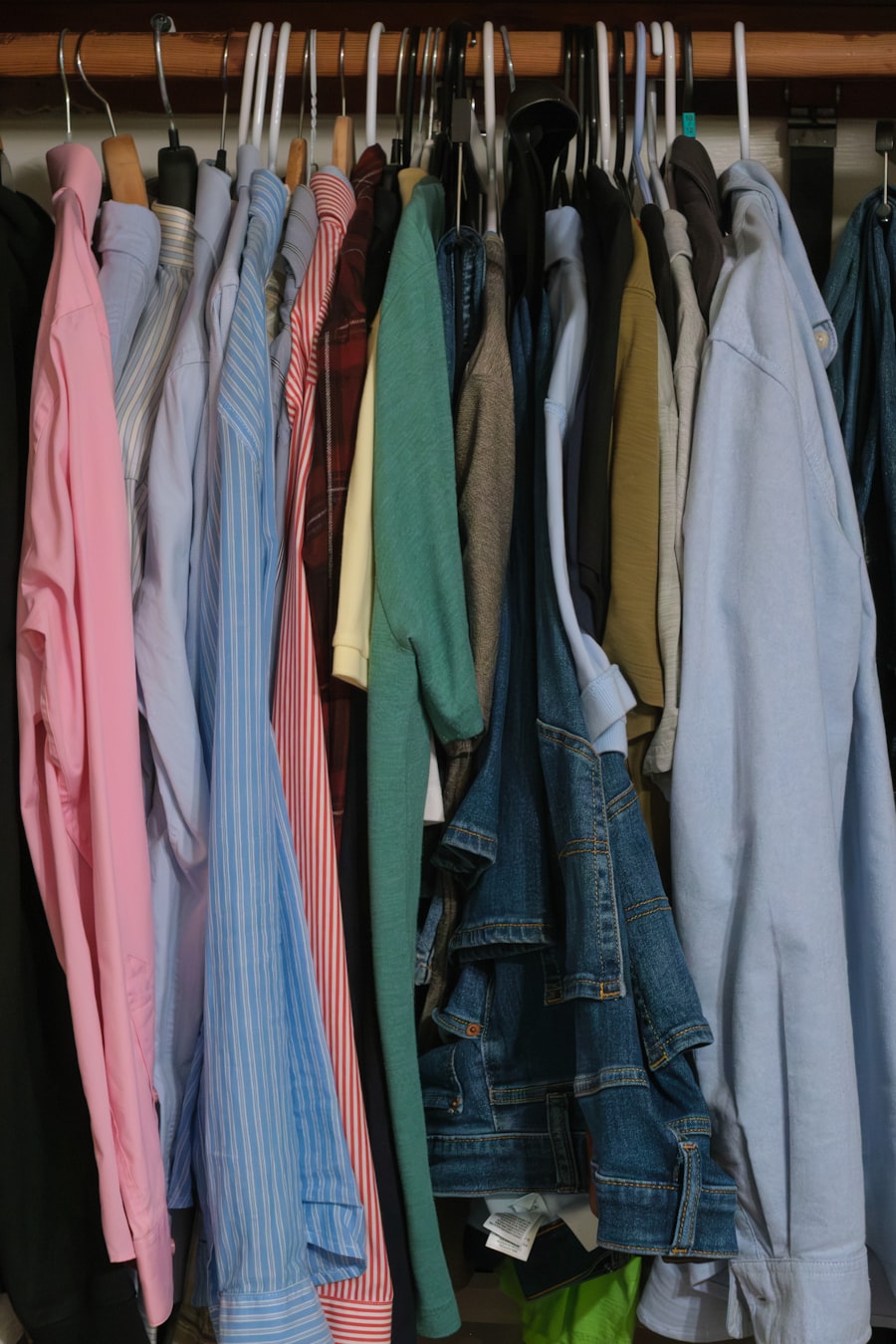
"Didn’t you wear that yesterday?" — Why this question is disappearing
Think about it for a second. Let's say you have 100 items in your closet. How many of them do you actually reach for daily? Most people repeatedly wear less than 20% of their wardrobe. The remaining 80 items are just taking up space.
For a long time, we kept buying new clothes to fill that 80% gap. We thought, "I can’t wear the same thing again, people will notice," or "I have nothing to wear to this new event." However, as the climate crisis has become more severe, more people are questioning the wasteful cycle of fast fashion.
The moment Cate Blanchett re-wore a gown on the red carpet and said, "These are clothes I love," outfit repeating was redefined from "being behind the trends" to making a "conscious choice." And this movement didn't stop with celebrities.
The real reason Steve Jobs wore the same thing every day
Steve Jobs' black turtleneck, former President Obama’s navy suits—they didn't wear the same thing every day because they lacked interest in fashion. It was to reduce Decision Fatigue.
They chose to spend the energy they would have used on "What should I wear today?" elsewhere. This philosophy, applied to fashion, is called a Personal Uniform. It’s about building a closet around core items that fit your body type and lifestyle, rather than chasing fleeting trends.
Two pairs of high-quality trousers, three cotton shirts, one classic blazer. Within this limited pool, you can maintain a consistent identity while looking fresh every time simply by rolling up sleeves, switching belts, or changing shoe colors. This is true style—it comes from "well-chosen items," not "lots of clothes."
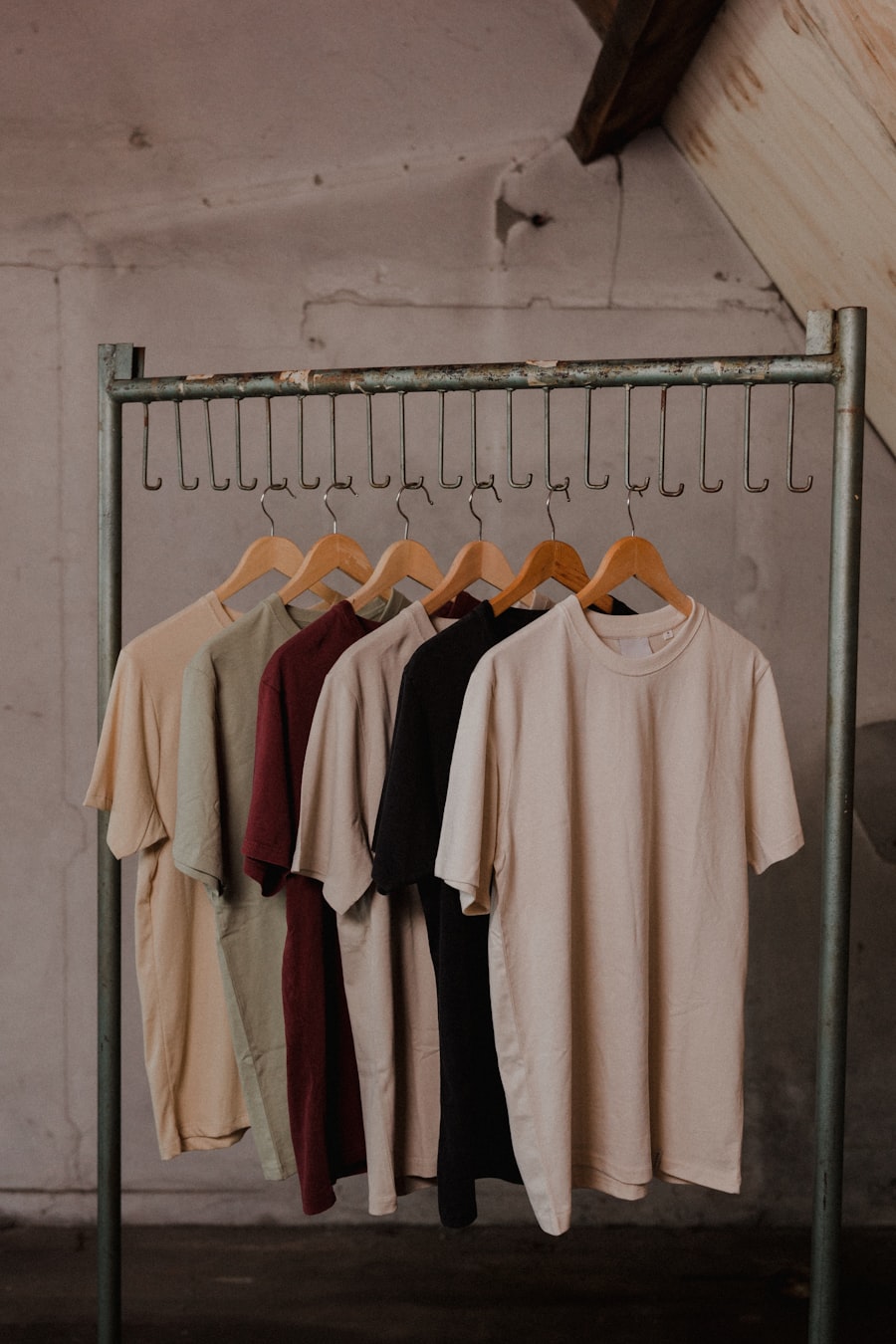
However, to wear the same clothes repeatedly without getting bored, you need one specific skill.
One dress, one week: The power of layering
Let’s take a single black silk slip dress.
On Monday, layer a white shirt over it and add a belt for a polished office look. On Wednesday, throw on a chunky oversized knit; the bottom of the dress now looks like a long skirt, perfect for a date. On Friday, lose the layers to show off the delicate strap details and pair it with a leather jacket for a night out.
You wore the same dress three times, but those around you saw three different outfits. This is the power of layering. It’s the moment outfit repeating stops being about "wearing the same thing again" and becomes "telling a different story with the same piece."
This kind of layering skill is also a sign of financial savvy.
The secret math behind your closet rotation
If you buy a $20 T-shirt and wear it twice before tossing it, that’s $10 per wear. If you buy a $1,000 wool coat and wear it 100 times, that’s also $10 per wear. Even though the price tag is 50 times higher, the Cost Per Wear (CPW) is exactly the same.
Basic items made of high-quality materials that blend into any outfit are far more effective at lowering your CPW than trendy, loud-patterned pieces. A low CPW ultimately means you are getting a lot of use out of that item in diverse ways over a long period.
The Pareto Principle—the idea that the top 20% of your closet accounts for 80% of your wears. Once you identify that 20%, you’ll know exactly where to invest. You can stop spending money on the 80% you don't wear and use it to upgrade the quality of your core 20%.
Proving your personal uniform with data
What if you didn't have to guess that you wear a certain item often, but could actually see it in the data?
Try logging your outfits daily in the Acloset app for three months. When you open your style stats dashboard after 90 days, a pattern will emerge. You’ll see that even if you have 200 items in your closet, your true go-tos are a select few, like your navy slacks and ivory cardigan.
This data becomes the compass for your next shopping trip. By investing in items with similar vibes and fits to your most-worn pieces, your CPW will drop, your closet will become leaner, and your style will become clearer.
Wearing the same clothes repeatedly isn't about failing to keep up with trends. It’s the process of cutting through the noise of the trend cycle to finalize your own signature look.
❓ FAQ
Q: I'm worried about what people will think if I repeat outfits.
A: Just by changing up your layering or accessories, the same item can look completely different. Plus, in reality, most people don't actually remember what you wore yesterday.
Q: How many items are ideal for a capsule wardrobe?
A: Usually, 15–30 core items are standard. But the number is less important than the versatility between the items. You can test out different combinations using the outfit simulation in the Acloset app.
Q: How do I check my closet rotation in Acloset?
A: If you log your OOTD every day, the app automatically calculates the number of wears and CPW for each item. You can see your most-worn and least-worn clothes at a glance on the style stats dashboard.
References & Sources:
- The Guardian, "Why Outfit Repeating is the Future of Fashion"
- InStyle, "How to Calculate Your Cost Per Wear"
- WRAP UK, "Valuing Our Clothes," 2023
Published by the Acloset Magazine Team.
Start Organizing Your Closet
Dress better, buy less — with Acloset.