Treasures in the Dust: A Beginner’s Guide to Vintage Hunting
Treasures in the Dust: A Beginner’s Guide to Vintage Hunting
In an era where three clicks get you next-day delivery, some people still choose to dig through dusty flea markets. The thrill of finding that one-of-a-kind piece in a pile of hundreds—vintage hunting isn't just shopping; it's an exploration.
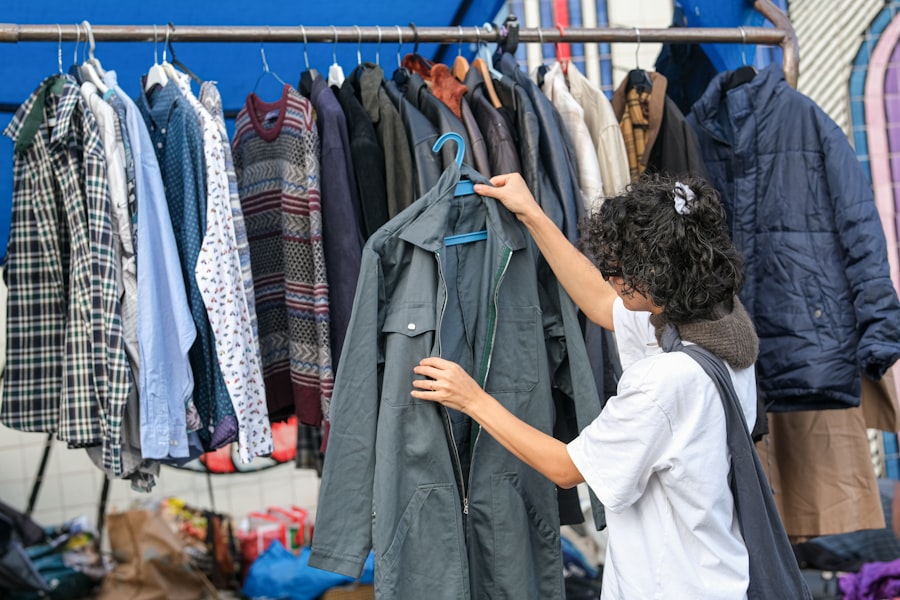
Something the Algorithm Can't Give You
Ever noticed how searching for a "knit cardigan" on Instagram leads to an explosion of similar ads the next morning? Algorithms analyze your taste and keep pushing the same things your way. It’s convenient, but it results in everyone buying the exact same clothes. When you search for a Zara coat online, hundreds of thousands of people are adding that same Item to their carts.
This is exactly where the charm of vintage hunting lies. That 80s denim jacket you unearthed after three hours at a local flea market is the only one of its kind in your world. It doesn't pop up in search results, it isn't caught by recommendation algorithms, and it can only be found with your own two feet and a keen eye.
However, picking out a truly valuable piece from a mountain of hundreds requires a sharp sense of discernment.
Reading with Your Fingertips
There is only one difference between a beginner and a pro when facing a pile of vintage clothes. A beginner looks at the color and design first, but a pro touches the fabric first.
Try rubbing the fabric gently between your fingers. 100% silk or cashmere has a uniquely smooth and heavy feel. Synthetic polyester feels light and slippery. Mastering this "touch test" in under five seconds is the basic skill of a vintage hunter.
Next, check the brand tag behind the collar. This is the ID card of a vintage garment. For example, Ralph Lauren tags vary in color and font depending on the era. Just by looking at the tag, you can estimate whether the piece is a mass-produced Item from the 2010s or a high-value original made in the USA during the 1990s. There are online guides that track the evolution of tags by brand, so be sure to bookmark them.
So, you like the design, the fabric is good, and you’ve verified the tag. But you can't stop there.
Flaws to Keep vs. Flaws to Skip
Flaws are inevitable in vintage clothing. The key is distinguishing between repairable and non-repairable defects.
If the elbow is slightly torn, a button is missing, or there’s a light stain that looks like it’ll come out in the wash—buy it. These can be fixed for a few dollars at a local tailor. In fact, gems are often hidden among Items that others passed over because of these minor issues.
On the other hand, you should walk away from the following, no matter how pretty they look: wool that has shrunk or warped, cracked or peeling leather surfaces, permanent underarm staining, or odors that won't go away. These defects cannot be restored even with professional dry cleaning.
If you can make this judgment on-site within three seconds, you’re already an intermediate vintage hunter. And to maximize this skill, you need one more strategy.
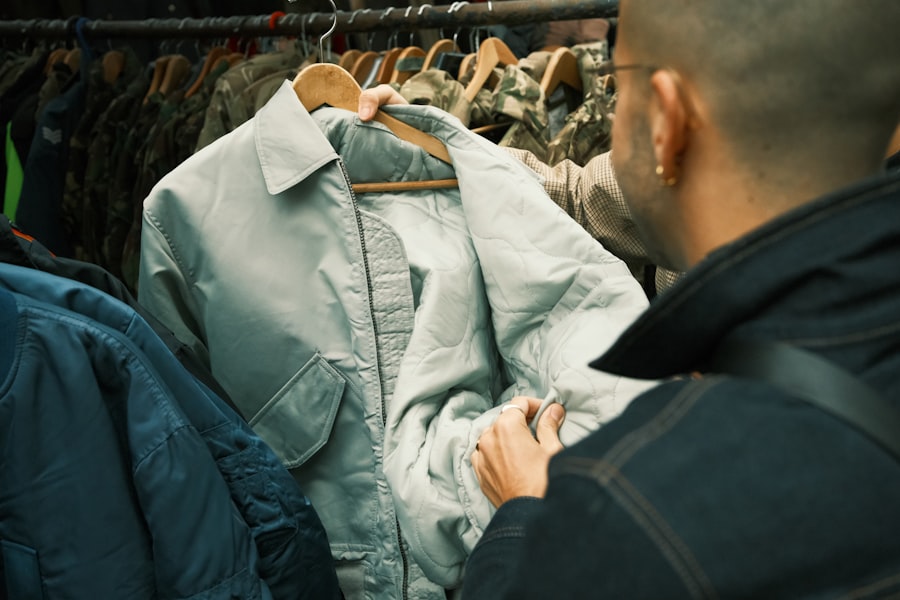
Location Is Half the Battle
Even within the same Goodwill chain, the quality of inventory varies wildly depending on the neighborhood. Stores in average residential areas mostly stock budget-friendly clothing like Gap or H&M.
However, thrift stores in affluent neighborhoods are a different story. You might find a vintage Chanel coat dropped off by a retiring couple clearing out their Closet, or an 80s Louis Vuitton trunk donated during a move—all with a price tag of just a few dozen dollars. Even with the same amount of time invested, the results change completely depending on where you dig.
Visiting the same store every weekend is also a great strategy. If you figure out which days the store restocks, you can time your visit to when the new Items hit the floor. Vintage hunting isn't about luck; it's a routine.
Record Your Unearthed Treasures
When you return home with your trophies after a three-hour expedition, don't just hang them in your Closet. Record them in your Acloset digital Closet with a photo. Note the estimated production era, the Purchase info, the location, and any parts that need repair.
This record serves two purposes. First, it becomes your personal vintage curation portfolio. When you want to show off to a friend, you can say, "This is 90s American-made Ralph Lauren; I found it for $20 at a flea market." Second, it serves as an inventory ledger to justify your pricing if you decide to list it on a resale platform later.
This weekend, head out to a local market near you. A piece that the algorithm would never recommend might be waiting for you there.
❓ FAQ
Q: I'm a beginner at vintage hunting. Where should I start?
A: Start with large thrift stores like Goodwill or the Salvation Army. They have a lot of inventory, which makes them great for practice. Weekend flea markets and estate sales are also highly recommended.
Q: What is the fastest way to check the age of a vintage piece?
A: Check the brand tag behind the collar. The font, color, and material labeling methods change over time. You can find resources by searching for "vintage label dating guide" to see how tags have evolved for each brand.
Q: How do I manage my vintage collection with the Acloset app?
A: You can manage your collection systematically by uploading photos of your clothes along with the estimated era, purchase price, and repair costs, and by creating specific vintage-themed Hashtags for categorization.
References & Sources:
- The Cut, "Why Gen Z Prefers Thrifting Over Fast Fashion"
- Vice, "The Secret Economics of Estate Sale Scavengers"
- Vogue Business, "The Secondhand Economy," 2024
Published by the Acloset Magazine Team.
Start Organizing Your Closet
Dress better, buy less — with Acloset.