How 9 More Months Can Change Everything
When you think of sustainable fashion, you probably imagine buying organic cotton tees or vegan leather bags. But the most effective move is actually much simpler: wearing the clothes already in your closet for just 9 months longer. If that could slash your carbon footprint by 20–30%, isn't it worth a shot?
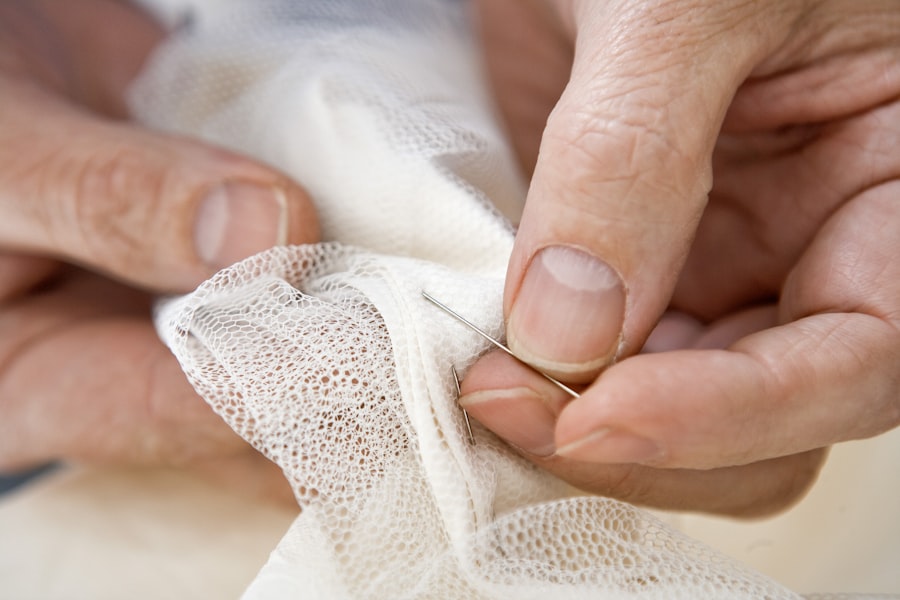
The Power of Nine Months
According to research by WRAP UK, extending the life of your clothes by just 9 months can reduce their carbon footprint by 20–30%, water usage by 20%, and waste by 20%. Just nine months. Not three years, not five—just nine.
But what’s the reality? Currently, the average active lifespan of a garment is only about 3.3 years. Households are sitting on unworn clothes worth hundreds of dollars, and compared to 15 years ago, we hold onto our items for less than half as long. We are buying more and tossing faster than ever before.
Why did it come to this? Is it because clothes wear out too fast? Or because trends move too quickly? The answer is surprisingly simple when you look closer.
Three Reasons Clothes "Die" Early
First is poor care. Ignoring laundry labels, washing at the wrong temperature, tossing "hang-dry only" items into the dryer, or stuffing them into a pile instead of using hangers—all of these speed up the wear and tear. If you’ve ever accidentally shrunk a cashmere sweater in a standard wash, you know exactly what we mean.
Second is psychological obsolescence. That feeling where your clothes are perfectly fine, but you're just "bored" of them. A new Outfit combination or a single accessory could make it feel brand new, but we often hit "buy" on something else before even trying a new look.
Third is changes in body shape or lifestyle. While this feels unavoidable, basic alterations are often all you need. Taking in the waist, hemming the length, or letting out a seam can give a garment a second life.
Now that we know the causes, why not tackle them one by one? Let’s start with the easiest fix.
Just Wash Less
To be honest, we wash our clothes way too often. Instead of thinking "I wore it once, so it’s dirty," identifying when a wash is actually needed can drastically extend an item’s life.
Underwear and socks? Definitely wash every time. But jeans can go 5 to 10 wears between washes, knits about 3 to 5, and coats only 1 or 2 times per season. This simple shift reduces annual laundry cycles by 30–40% and visibly keeps your clothes in better shape.
If you're worried about skipping a wash, just air them out. Hanging your clothes in a well-ventilated spot after wearing them is often enough to manage odors and moisture.
Once you've mastered the laundry, it's time to revive the pieces that are already looking a bit tired.
Mending: Spending $5 to Save $40
A Fashion Revolution survey found that 57% of consumers discard clothes simply because they "don't know how to fix them." Sewing a button, hemming pants, or patching a tiny hole—these are skills you can pick up from a single YouTube video.
If you need a zipper replacement or a size adjustment, head to your local tailor. A $5 to $15 repair can save you from spending $40 or more on a brand-new Item. Mending isn't an expense; it’s an investment.
The math is clear. Extending a garment's life by 9 months cuts annual clothing spend by about 27% and reduces waste by 28%. Your average Cost Per Wear (CPW) drops by about 30%. That’s a significant saving over the year. It’s a huge difference for such a small habit change, right?
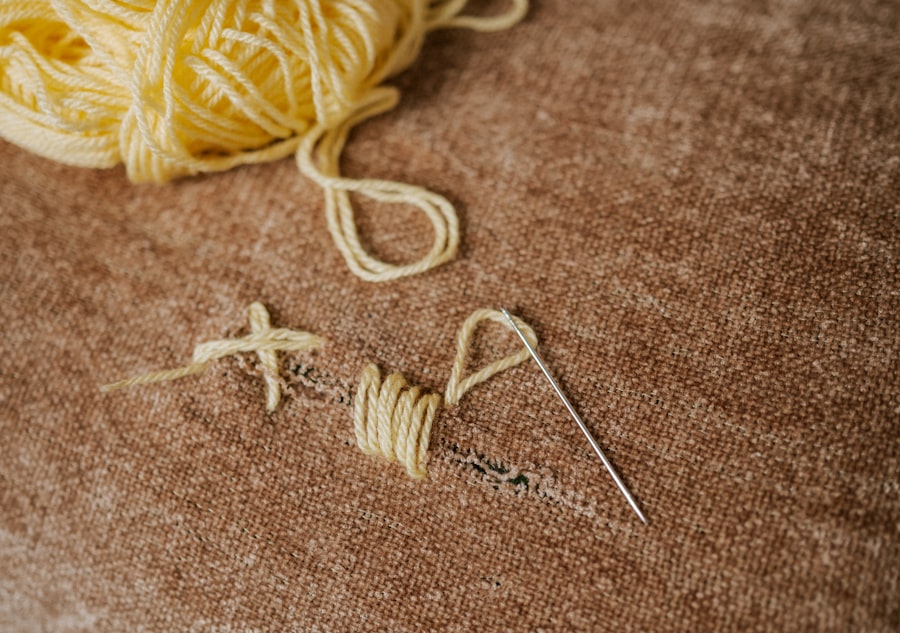
Your 30-Day Game Plan
Week 1: Scan your Closet for items needing repair. A shirt with a loose button, pants with a frayed hem, or a sweater with a snag.
Week 2: Get a basic mending kit. It doesn't cost much to get the essentials.
Week 3: Fix just one thing—the easiest one on your list.
Week 4: Log the repaired Item in the Acloset app and pick your candidate for next month.
One item a month. It’s a pace anyone can handle. After three months, check your Style stats in the app. Seeing that CPW drop will prove that wearing clothes for 9 months longer isn’t just good for the planet—it’s great for your wallet, too.
❓ FAQ
Q: Is it hygienic to wash clothes less often?
A: While underwear and socks require washing after every wear, items like jeans and sweaters stay fresh with proper airing. For small spots, try spot-cleaning instead of a full cycle.
Q: I’ve never mended anything before. Where do I start?
A: Sewing a button is the best place to start. Search "how to sew a button" on YouTube, and you can learn it in under 5 minutes.
Q: Can I track my repairs in Acloset?
A: Yes! You can record maintenance details for each Item, making it easy to keep track of repairs and see what care is needed next.
References & Sources:
- WRAP UK, "Valuing Our Clothes," 2023
- McKinsey & Company, "The State of Fashion," 2024
- Ellen MacArthur Foundation, "A New Textiles Economy"
Published by the Acloset Magazine Team.
Start Organizing Your Closet
Dress better, buy less — with Acloset.