What’s Really Happening Behind “Items You Might Like”: The Two Sides of AI Recommendations
What’s Really Happening Behind “Items You Might Like”: The Two Sides of AI Recommendations
Within five minutes of browsing, I already had three items in my cart—all thanks to "AI recommendations." I only went in for a single shirt, but "You might also like this" led me to a cardigan and a scarf. When you realize that 35% of Amazon’s revenue comes from recommendation algorithms (McKinsey), it all starts to make sense, doesn't it?
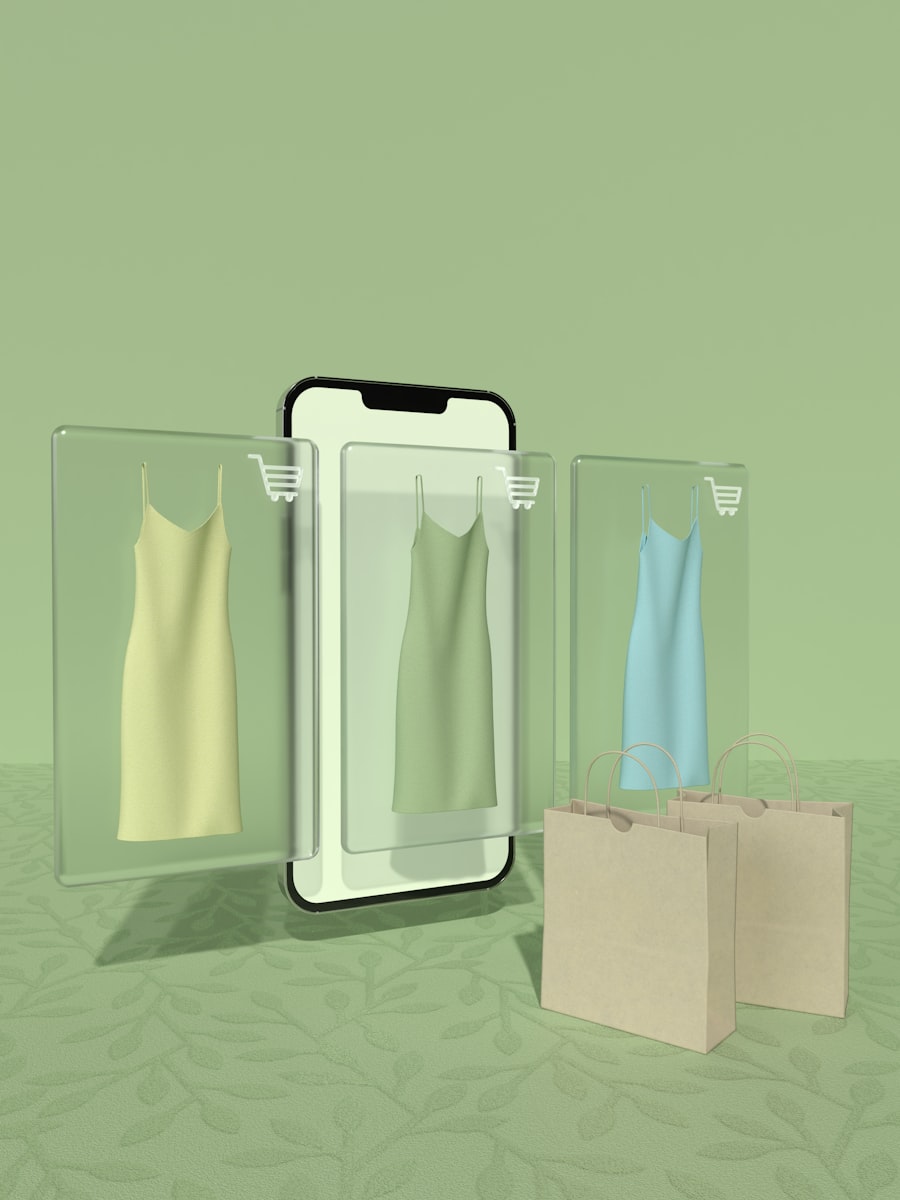
How Algorithms Read Your Mind
Why do AI recommendations feel so eerily accurate? Is it reading your mind?
Actually, it’s not reading your mind—it’s reading your behavior.
AI collects three main types of signals. First, behavioral signals: what you click on, how long you linger, what you search for, and what you eventually buy. Dozens of data points are gathered in a single session alone. Second, product attributes: color, material, fit, brand, and price range. Third, contextual information: time of day, weather, location, and the device you’re using.
By combining these three factors, the AI calculates the probability of you liking a specific Item. It identifies what people with similar behavior patterns liked—a process called collaborative filtering.
Recently, this has evolved even further with the rise of conversational AI. AI can now understand natural language questions like, "What should I wear for a casual weekend brunch?" and provide context-aware recommendations. Research shows that this approach leads to even higher customer satisfaction than traditional methods.
While the technology itself is impressive, the real issue lies elsewhere.
The Design Behind the Convenience
The more accurate shopping mall AI recommendations become, the more we buy. This isn't a coincidence; it's by design.
Consider the primary success metric for a recommendation algorithm: the conversion rate—the percentage of recommendations that lead to a purchase. The algorithm's goal is to drive this number up. In other words, it is optimized to make you "buy," not necessarily to tell you what you truly need.
Several psychological tactics are built into this system:
The Filter Bubble. The AI consistently shows you styles you already like. While comfortable, this can cause your style to stagnate, reducing opportunities to try something new.
Urgency Framing. Messages like "24-hour limited offer," "3 people are viewing this," or "Low stock" force quick decision-making. Items you might have passed on if you had time to think end up in your cart due to a sense of urgency.
Passive Data Collection. Data is collected on everything from how many seconds you look at an Item to how fast you scroll. This data is fed back into the algorithm to create a Feed that is increasingly "hard to resist."
This isn't inherently bad. Good recommendations can help you discover new brands or find Items you genuinely need. However, there is a massive difference between understanding how this system works and being blind to it.
When you understand the mechanics, you can build your own filter.
Your Closet as a Filter
Shopping mall AI knows what you "bought," but it doesn't know what you "own." It has no idea how many times you’ve worn a certain piece, if you already have something similar, or if this new Item actually coordinates with the rest of your wardrobe.
This is where your digital Closet data acts as a filter.
When you see a recommendation, open your digital Closet and ask yourself: "Do I already have a similar knit in my Closet?" "If I buy this, can I create at least 3 different Outfits with my existing clothes?" "Do I already have enough of this Category?"
To answer these questions, you need actual data on your wardrobe. If you rely only on memory, it’s easy to fall into the trap of thinking, "I don't think I have anything like this."
While platform AI is designed to make you "buy," your Closet data is designed to help you "determine if you actually need it." When you use these two together, you can finally achieve intentional, independent consumption.
But doing this manually every time is a hassle. You need a more systematic approach.
The 5-Second Rule for Recommendations

You don't need a deep analysis for every recommendation. Just try this 5-second check:
"Will I still be thinking about this 48 hours from now?"
Impulse buys are characterized by a sense of "right now" urgency. By giving yourself a 48-hour cooling-off period, the things you truly need will stay on your mind, while the impulses will naturally fade away.
Adding one more step makes this even more effective: "Can I pair this Item with at least 3 existing Items in my Closet?" Only keep Items that pass this test as purchase candidates. If you can't come up with at least 3 Outfits, that piece is likely to end up isolated and unworn.
Just these two steps—the 48-hour cool-down and the 3-outfit test—can filter out the vast majority of unnecessary purchases.
AI recommendations are a great tool, but tools are only useful for those who know how to use them. When you understand how algorithms work and use your own Closet data as a filter, AI stops being something that makes you "buy more" and starts being something that helps you "buy better."
❓ FAQ
Q: Should I completely ignore AI recommendations?
A: No. AI recommendations are useful for discovery. However, it's important to get into the habit of cross-referencing those recommendations with your Closet data to decide if you "really need it."
Q: How can I escape the filter bubble?
A: Occasionally search for styles outside of your usual preference on purpose, or look at friends' Outfits for inspiration. Using Acloset’s AI Styling feature to get suggestions for new combinations is also a great way to branch out.
Q: Can I filter AI recommendations within Acloset?
A: Since Acloset recommends Outfits based on the Closet you already own, its suggestions focus on how well things pair with your existing clothes. This is fundamentally different from the purchase-driven recommendations of most shopping malls.
References & Sources:
- McKinsey & Company, "The State of Fashion," 2024-2025
- ThredUp, "Resale Report," 2025
- WRAP UK, "Valuing Our Clothes," 2023
Published by the Acloset Magazine Team.
Start Organizing Your Closet
Dress better, buy less — with Acloset.