Why a $20 Dress is More Expensive Than $70 Jeans: The Guide to Cost Per Wear (CPW)
Why a $20 Dress is More Expensive Than $70 Jeans: The Guide to Cost Per Wear (CPW)
How many times did you wear that dress you bought on sale last month? Or is the tag still on? The most expensive pieces in our closets aren’t the ones with the biggest price tags—they're the ones we wear once and then forget.
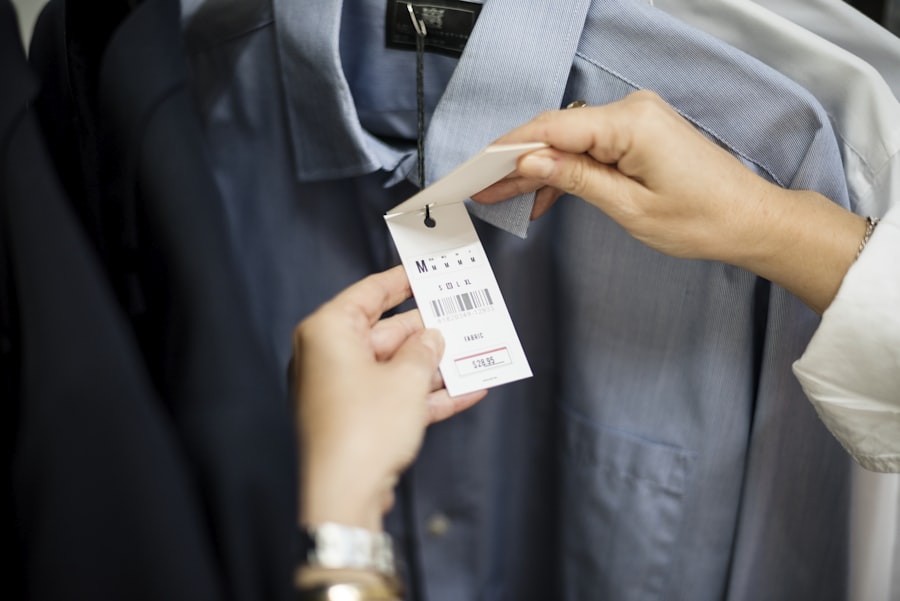
What the Price Tag Doesn’t Tell You
Imagine you just snagged a dress on sale for $20. It was originally $80, so you feel like you just saved $60. It’s a rush—you add it to your cart, check out, and wait for that delivery high.
But a month passes, and the right moment to wear it never comes. The length is a bit awkward, and the color doesn’t quite vibe with any of your cardigans. You end up wearing it three times before it gets pushed to the back of your closet.
On the other hand, there’s that pair of $70 jeans you bought last year after a lot of hesitation because they felt a bit pricey. You’ve already worn them over 120 times. You wear them to work, to the cafe, on trips—whenever you don’t know what to wear, these are your go-to.
Now, let's do the math:
| Item | Price | Wears | Cost Per Wear |
|---|---|---|---|
| Sale Dress | $20 | 3 | $6.67 |
| Jeans | $70 | 120 | $0.58 |
Even though the jeans were 3.5 times more expensive upfront, they are 11 times more economical when you look at the big picture. That’s the secret the price tag doesn't tell you: Cost Per Wear (CPW).
The formula is incredibly simple:
CPW = Purchase Price ÷ Number of Wears
This single number gives you the most honest answer to the question: "Was this Item actually worth it?"
Why Sales are a Trap, Not an Opportunity
"It’s so cheap, it’s a steal!" — we’ve all been there. But the data tells a different story.
On average, clothes bought at full price are worn about 35 times, with a CPW of around $2.30. Meanwhile, items bought at a deep discount are worn an average of only 12 times, bringing the CPW to about $3.80. This means sale items can actually end up being 65% more expensive per wear.
Why does this happen?
Behavioral economics calls this the Anchoring Effect. The framing of "originally $80, now $20" clouds our rational judgment. Your brain gets so excited by the discount that it skips the most important question: "Am I actually going to wear this?"
Think about the items currently sitting in your cart. How many of them will you still be reaching for a year from now? Sale prices are great at getting you to buy, but they have nothing to do with getting you to wear.
Once you become aware of this, your shopping habits change. Instead of asking "How much am I saving?", you start asking "How many times will I wear this?"
"Expensive Clothes are Cheaper" — But There’s a Catch
Once you understand CPW, it’s easy to think, "So I should just buy expensive stuff, right?" Not exactly. There’s one crucial condition.

Consider a $250 wool coat. If you wear it 90 times over three seasons, the CPW is $2.77. That's a great investment. But if you buy that same $250 coat thinking "I'll wear it someday" and only pull it out three times? That’s $83.33 per wear.
At the end of the day, it’s not about whether the price is high or low. It’s about honestly answering how often an Item fits into your actual lifestyle.
A $20 Item you wear 200 times becomes a Closet MVP at $0.10 per wear. A $500 Item that just hangs there is just an expensive piece of decor. CPW isn't advice to "buy luxury"; it's a reminder to "buy what you’ll actually wear."
How This Mindset Changes Everything
When you start tracking CPW, your entire relationship with your closet shifts.
First, your judgment criteria change. You stop seeing things as "expensive" or "cheap" and start seeing them as "efficient" or "inefficient." Instead of being swayed by sale tags, you run a mental simulation: "How many times can I wear this this week?" This one question can stop 90% of impulse buys.
Second, you value garment care more. Laundry and storage stop being chores and start being "investment protection." If you can extend the life of those $0.58-per-wear jeans by another year, their value goes up even more.
But the biggest change is this: You develop a personal style instead of just chasing trends. High-CPW items are rarely fleeting trends. Instead of investing in clothes that will be "out" next season, you focus on what actually looks good on you and lasts. That’s the secret of people with great style—it’s not about having a lot of clothes; it’s about having a few great pieces they love to wear.
How to Start Today
It’s not complicated. You only need two pieces of info: Purchase Price and Number of Wears.
Starting tomorrow morning, just record what you wore. That’s it. After a month, you’ll start to see surprising patterns. You'll see the clothes you reach for every day and the ones that haven't left the hanger in three months. When that data is right in front of you, your next shopping trip will look very different.
Instead of "This is cute," you'll say— "How many times will I wear this?"
❓ FAQ
Q: At what point does the Cost Per Wear (CPW) data become meaningful?
A: You need at least 10 wears for the data to become a useful comparison. For seasonal items, it’s best to evaluate them after the season is over.
Q: Should I get rid of items with a high CPW immediately?
A: Not necessarily. First, try experimenting with new Outfit combinations. You might find a styling you hadn't thought of before. But if you still aren't reaching for it, consider reselling or donating. Keeping it in your closet is the most "expensive" choice you can make.
Q: Can I check my CPW in Acloset?
A: Yes! If you register your items and log your daily OOTDs, you can automatically check the wear count and CPW for each Item in your Style stats.
References & Sources:
- McKinsey & Company, "The State of Fashion," 2024
- WRAP UK, "Valuing Our Clothes," 2023
- ThredUp, "Resale Report," 2024
Published by the Acloset Magazine Team.
Start Organizing Your Closet
Dress better, buy less — with Acloset.