Nobody Buys Clothes Off the Runway — So Why Do We Watch?
Nobody Buys Clothes Off the Runway — So Why Do We Watch?
From September 10 to 15, New York hosts 70 runway shows and presentations. Chances are, you won't buy a single piece you see on those catwalks. Yet, that single week will shape what's in your closet next spring.
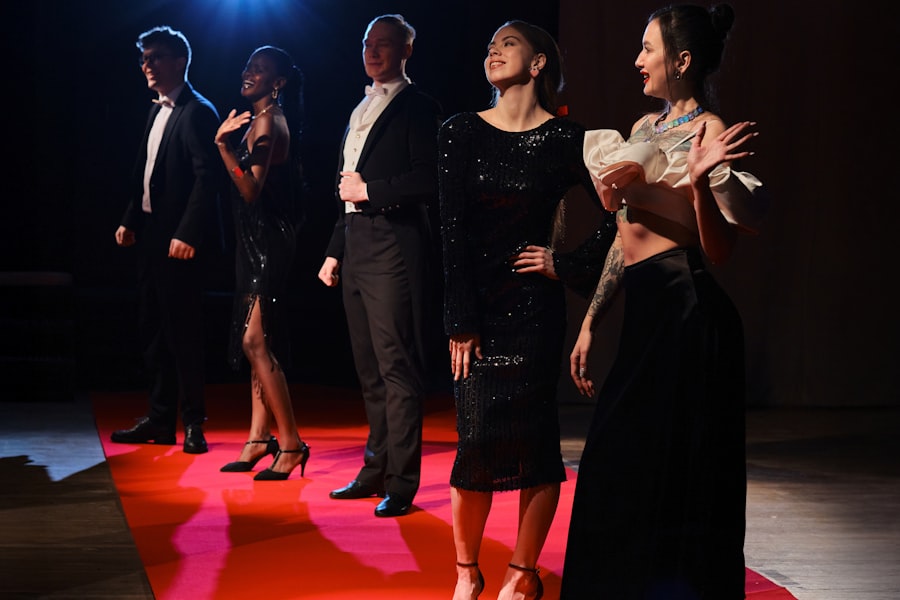
Why Showcase Clothes Nobody Can Actually Buy?
Looking at Fashion Week photos can feel a bit strange. You have no idea where to buy those clothes, their prices are beyond imagination, and let's be honest—most of us wouldn't feel confident wearing them down the street anyway.
And that's completely normal. Fashion Week was never originally designed for consumers.
Take a look at the official September 2026 New York Fashion Week schedule released by the Council of Fashion Designers of America (CFDA), and its true nature becomes crystal clear. Running from September 10 through 15, the official lineup packs in 70 runway shows and presentations, kicked off by eve-of-calendar showcases like Ralph Lauren on September 9. This jam-packed itinerary isn't built for everyday spectators—it's a business trip itinerary tailored for buyers and the press.
What's walking the runway here are the Spring/Summer 2027 collections. Even though it's currently September 2026. This six-month time lag explains everything.
The Reality Behind the Six-Month Gap
Why reveal everything half a year in advance?
Because there is actual, heavy lifting to be done during those six months. Buyers need to place orders after the shows, factories must start manufacturing, magazines schedule their editorial spreads, and retail stores plan their visual merchandising. Only after every single step in this chain is completed do the garments finally hit store racks.
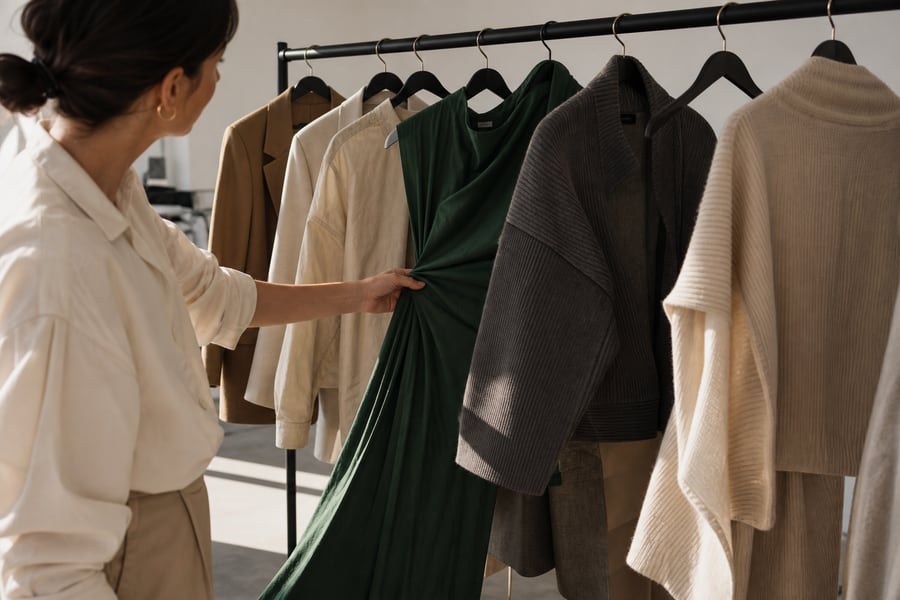
However, problems began arising within this time gap. Long before the designer's original pieces could even reach physical stores, cheaper fast-fashion takes with similar silhouettes were already selling out. For consumers, having to wait half a year to buy an outfit they saw on their Instagram Feed became increasingly frustrating and confusing.
So, the industry launched an experiment. And the failure of that very experiment made the true purpose of Fashion Week clearer than ever.
Why "Buy It Right Now" Flopped
In September 2016, brands like Tom Ford, Tommy Hilfiger, Ralph Lauren, and Rebecca Minkoff took a leap with the same bold concept: allowing viewers to instantly purchase the clothes seen on the runway. It was dubbed "See Now, Buy Now." Burberry and Mulberry soon jumped on board, too.
On paper, the logic seemed flawless. Zero lag time, no window for copycats to beat them to market, and no confusion for eager shoppers.
Yet, within just a few seasons, most brands pulled the plug. The reason was simple: to have finished inventory sitting on store shelves the very moment a show wrapped, design studios and supply chains essentially had to run on double the production schedule. Today, only a handful of brands still stick to this model.
This experiment taught us something crucial: Fashion Week is a platform to declare creative direction, not an immediate sales floor. If moving units on the spot were the main objective, "See Now, Buy Now" would have become the gold standard. But it didn't.
And recently, the types of "directions" being declared on the runway have expanded even further.
The Runway Debuts More Than Just Clothes
Starting with the September 2026 New York Fashion Week, there's a notable shift underway. The fur-free policy announced by the CFDA in September 2025 is now officially in effect for all brands on the calendar.
This isn't just about the shape or cut of a garment; it's a statement on what materials the industry chooses to leave behind. Another notable detail on the same schedule is that Friday programming begins at 10 AM out of respect for the 25th anniversary of 9/11.
The era where runways strictly dictated silhouettes is behind us. Today, shows reflect material standards, ethical values, and the industry's evolving mindset. If you only look at Fashion Week as "an exhibit of unwearable, unbuyable clothes," you're missing the bigger picture.
So, what should we actually be paying attention to?
Three Ways to Decode the Runway
Don't fixate on individual pieces. Keep your eyes on just three things:
First, the silhouette. Are shoulders broadening or narrowing? Are waistlines rising or dropping? Are hemlines going maxi or micro? Because these cues repeat across multiple designers, you'll start spotting them on the streets within a single season.
Second, the proportions. Pay attention to how volume is balanced between tops and bottoms. Is it oversized on top and fitted on the bottom, or vice versa? Shifting proportions alone can make your existing wardrobe look entirely refreshed for a new season.
Third, the color temperature. There's no need to memorize hyper-specific shade names. Just notice whether palettes are leaning warm or cool, and whether tones are dialed-up saturated or muted down.
Notice what these three elements have in common? You can recreate all of them without buying a single new item. If it's a season of broad shoulders, try styling an oversized blazer you already own with rolled-up sleeves. If proportions are flipping, just invert the volume balance of your go-to outfit formula.
Tonight, try saving just three runway looks you love. Then, open your closet and pull out pieces that capture those same silhouettes. That is truly the best way to make Fashion Week work for you.
❓ FAQ
Q: How can I buy the clothes I see at Fashion Week right now?
A: Most runway collections won't hit retail shelves for about six months. However, the overarching silhouettes and color palettes will trickle down to mainstream brands much sooner. Unless you're in a rush, waiting usually gives you far more versatile options.
Q: Do I have to follow every new trend each season?
A: Not at all. Only one or two silhouette shifts truly establish themselves each season. Translating just one of those trends using clothes you already own is more than enough to keep your style feeling current.
Q: Can I find trending silhouettes on Acloset?
A: Yes! Filter your digital wardrobe by Category and fit tags to instantly surface Items in your closet that match the season's key silhouettes. You can also get even more tailored recommendations by prompting AI Styling with specific requests, like "Style an outfit focused on strong, wide shoulders."
References & Sources:
- CFDA, "View the Preliminary September 2026 Official NYFW Schedule," 2026
- WWD, "Why 'See Now, Buy Now' Runway Shows Are Falling Out of Fashion"
- Coresight Research, "From Runway to Checkout: The See-Now-Buy-Now Trend in Fashion"
Published by the Acloset Magazine Team.
Start Organizing Your Closet
Dress better, buy less — with Acloset.