"Wearing It for a Year and Reselling It? That's Basically a Rental" — The Economics of Girl Math and Resale Value
"Wearing It for a Year and Reselling It? That's Basically a Rental" — The Economics of Girl Math and Resale Value
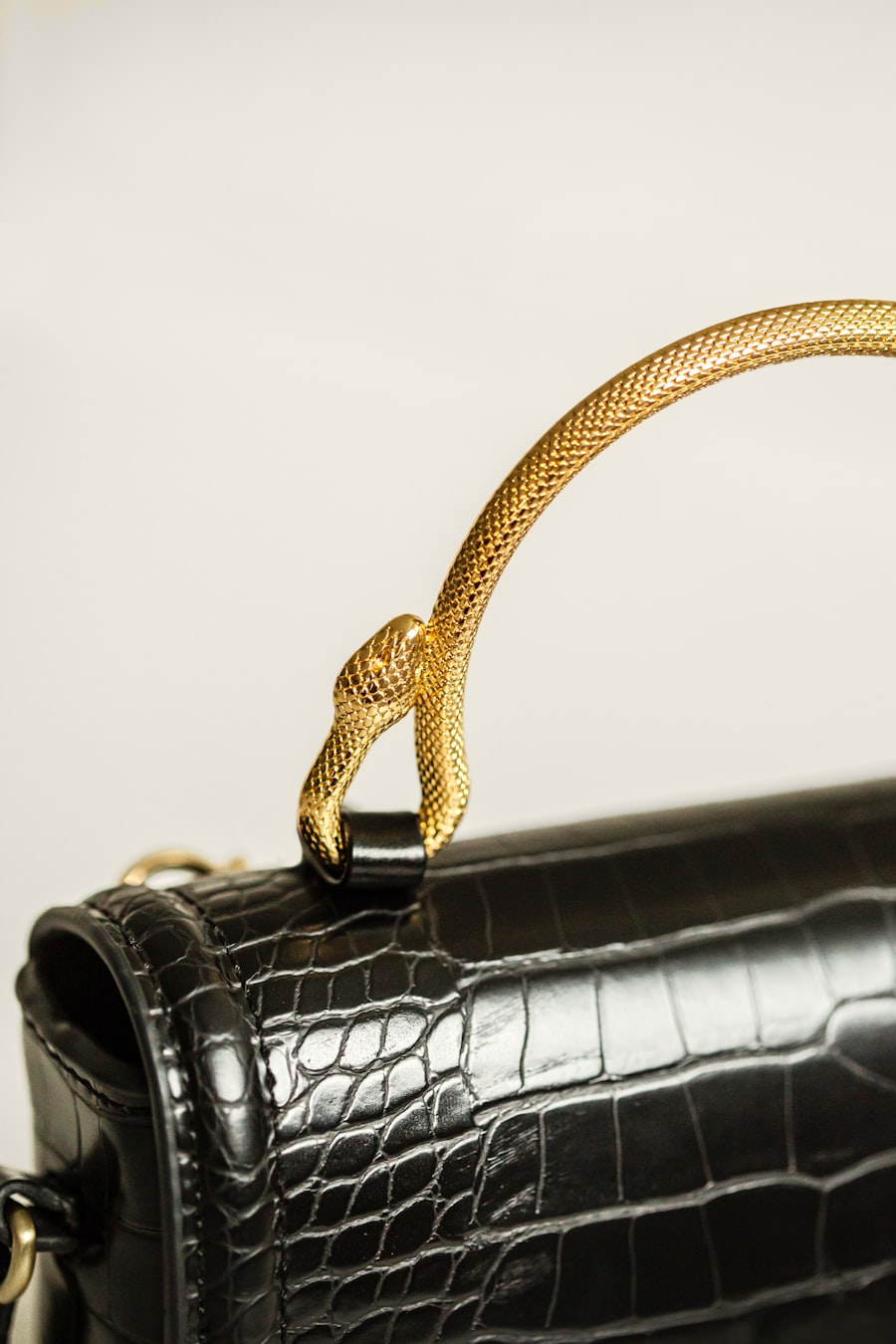
I bought a $300 bag, carried it every day for a year, and then resold it for $250. That means I basically rented it for $50 for the whole year—just 14 cents a day. This is what Gen Z calls Girl Math. It might sound like a joke, but there’s a serious consumption philosophy hidden behind these calculations.
The First Question at the Shopping Cart
When Millennials shopped for clothes, they’d ask, "Is this a classic design?" or "Will the quality last?" Gen Z’s question is different. Before hitting the checkout button, the first thing they check is: "How much can I get for this if I sell it in six months?"
Clothing has evolved beyond a tool for self-expression into a liquid short-term asset. While a $10 crop top from a fast-fashion brand has a resale value of nearly zero on Depop, a limited-edition Stussy hoodie can retain over 80% of its original price even a year later. Gen Z instinctively understands these depreciation rates.
There’s an interesting debate here. While the "Old Money" aesthetic popularized logo-less, minimalist items, the reality of the secondhand market is different. Pieces with high brand visibility—like Gucci monograms or Balenciaga logo tees—sell faster and at higher prices. In the resale market, brand recognition equals a premium.
This instinct to shop based on "resale potential" is what TikTok has dubbed "Girl Math."
Why Girl Math Isn’t Just Forced Justification
Some typical "Girl Math" logic might make you chuckle:
"I bought a $100 dress, but shipping was $10. Free shipping starts at $110, so I added a $15 pair of socks. Since I didn't pay the $10 shipping fee, I basically saved $5."
"This coat is $500, but if I wear it 100 times, it’s only $5 a day. That’s just the price of a Starbucks latte."
It might seem like a stretch, but look closer at that second calculation. This is exactly the concept of Cost Per Wear (CPW). It’s about judging value by actual usage rather than the price tag. When you factor in resale value, the story changes completely.
If you wear a $500 coat for 100 days and then resell it for $300, your actual cost is $200—just $2 a day. The Girl Math logic of "I didn't buy something expensive; I rented it for cheap" is actually quite rational when you look at the numbers.
Of course, there’s a catch. This logic only works if you actually can resell it. And to do that, you need to maintain its condition.
What Happens When You Manage Your Closet Like an Asset
When you buy stocks, you track them in a portfolio. Clothing should be no different. Especially for Items bought with resale value in mind, the record-keeping should start the moment you buy them.
When you get limited-edition sneakers or hype brand items, register the model name, purchase date, price, and a photo of the receipt in the Acloset app. In the secondhand market, a single receipt can be the difference between a "$200 authentic item" and being treated as a fake.
By logging your OOTD in the app's calendar every day, your wear count for each Item is automatically tracked, and your CPW is calculated in real-time. When an Item reaches your target CPW and is still in good condition, that’s the optimal time to resell.
"I cleaned out two skirts I don't wear and got $60. The bag I bought with that money didn't come out of my bank account, so it’s basically free." — This is also Girl Math. And for this cycle to continue, you need data.
The Option of Not Owning
Do you always have to buy and resell? Many Gen Zers are already using fashion rental services like Rent the Runway or Nuuly. If you need a new Outfit for every Instagram Reel, buying and hoarding is simply inefficient.
Rental systems allow you to skip the Girl Math and resale value calculations altogether. But ultimately, it leads back to the same question: "What is the value I’m getting compared to the cost I’m paying for this item?"
Ask yourself about that item in your shopping cart today: "How much could I get for this if I sold it in six months?" If the answer is "almost zero," it might be time to think twice before hitting that payment button.
❓ FAQ
Q: Does Girl Math just become a tool to justify impulse buys?
A: It can. The key is checking if the "resale potential" assumption is realistic. Applying Girl Math logic to items with zero resale value is just self-deception.
Q: What makes an item have high resale value?
A: Items with high brand recognition, limited editions, or seasonless designs hold their price well. Condition management (cleaning, storage) and proof of purchase (receipts, tags) also significantly impact the resale price.
Q: How do I determine the best time to resell on Acloset?
A: Track the wear count and CPW for each Item. When your frequency of wearing an Item starts to drop, consider reselling. Listing it while it’s still in good condition is your best bet for price protection.
References & Sources:
- The Wall Street Journal, "The Gen Z Economics of Girl Math"
- Forbes, "Why Resale Value is the New Fashion Currency"
- ThredUp, "Resale Report," 2024
Published by the Acloset Magazine Team.
Start Organizing Your Closet
Dress better, buy less — with Acloset.