How to Never Get Turned Away: The Ultimate Dress Code Guide for Sacred Sites
If you’ve ever been turned away from Bangkok’s Wat Phra Kaew for wearing shorts, spent 30 minutes renting a scarf at Istanbul’s Blue Mosque, or had to restart the line at St. Peter's Basilica because of a sleeveless top—this is the guide you wish you’d had.
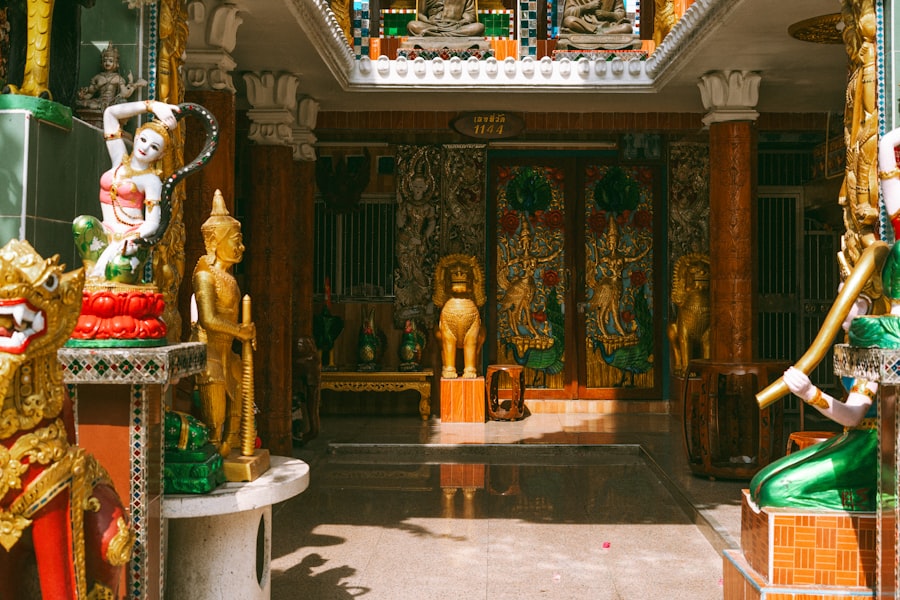
Different Continents, Same Rules
Whether it's a Buddhist temple in Southeast Asia, an Islamic mosque in the Middle East, or a Catholic cathedral in Europe, these sacred sites follow a surprisingly similar pattern when it comes to dress codes.
Cover your shoulders. Sleeveless tops, tank tops, and spaghetti straps are almost universally banned. Regardless of the religion or region, your shoulders should be fully covered.
Cover your knees. Shorts, miniskirts, and ripped jeans are usually a no-go. Bottoms that extend below the knee are the standard, and some mosques even require coverage down to the ankles.
Check the shoe policy. You’ll need to remove your shoes at Southeast Asian temples and Islamic mosques. While you can keep your shoes on in European cathedrals, beach sandals or flip-flops are often seen as inappropriate for the occasion.
Remembering these three simple rules will save you from being rejected at the entrance of over 80% of the world's sacred sites. However, each culture has its own unique set of additional requirements.
Cultural Nuances: The Fine Print
Sometimes, even if you follow the basic rules, you might still face issues due to specific cultural expectations.
At Islamic mosques, women are required to wear a hijab or headscarf to cover their hair. Men should also avoid shorts and steer clear of strong perfumes. Also, keep in mind that tourist access may be restricted during prayer times.
Some Hindu temples strictly prohibit leather products, as cows are considered sacred. Wearing a leather belt or carrying a leather bag could lead to an awkward situation at the gate.
In Southeast Asian Buddhist temples, it is respectful to never sit higher than a Buddha statue and to never point the soles of your feet toward one.
In European Catholic cathedrals, men are expected to remove their hats, and everyone should remain quiet during Mass. The Vatican, in particular, is known for its very strict inspections.
Memorizing every single rule is nearly impossible. Instead, keeping these three key Items in your bag will prepare you for almost any situation.
The 'Holy Trinity' of Travel Essentials
If your itinerary includes a visit to a sacred site, make sure you have these three things packed.
1. A large scarf. This is the ultimate multi-tasker. It’s a shawl for your shoulders, a hijab for your head, or a wrap-skirt for your waist. One piece of fabric, three different roles. Opt for cotton or linen to stay cool in hotter climates.
2. A pair of foldable flats. When you’re constantly taking your shoes off and putting them back on at temples, foldable flats are much more convenient than lace-up sneakers. These lightweight shoes are easy to toss in your bag and look much more polished than flip-flops.
3. Thin wide-leg pants or a long skirt. Choose something you can easily pull over your shorts. Wide-leg pants with an adjustable drawstring are great because they can be put on quickly regardless of your outfit or body type.
Register these three Items in your Acloset digital Closet with a "Sacred Site Kit" tag so you never forget them when packing for your next trip.
Once you’ve got these Items in your bag, let's look at how to use them in action.
The 10-Second Layering Hack: Last-Minute Fixes
You’ve arrived at the entrance only to realize your outfit doesn't meet the requirements. Here’s how to use your kit to fix your look in 10 seconds flat.
If you’re wearing a sleeveless top — Drape the scarf over your shoulders, cross the ends in front, and tie them behind your back. Done in 3 seconds.
If you’re wearing shorts above the knee — Pull your wide-leg pants on over your shorts and tighten the drawstring. Alternatively, wrap the scarf around your waist to create a wrap-skirt. Done in 5 seconds.
If you need to cover your head at a mosque — Place the scarf over your head, wrap it once under your chin, and let the ends fall over your shoulders. Done in 2 seconds.
The secret to this hack is practicing once beforehand. Before your trip, use the Acloset app to plan your layering combinations and try them on. There’s a huge difference between doing it for the first time on-site and having a practiced routine.
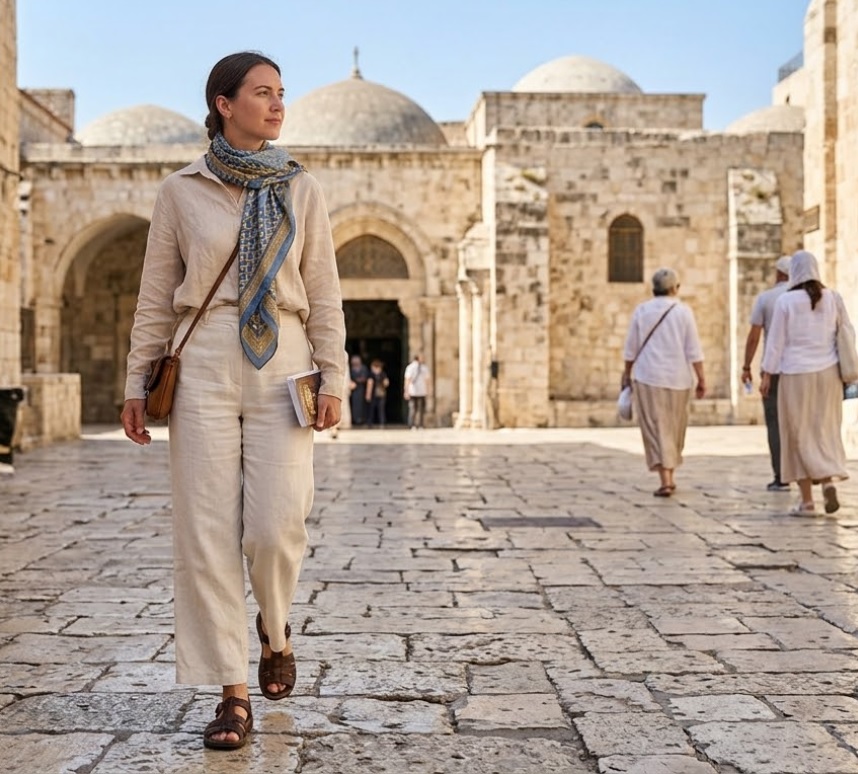
Sacred site dress codes aren't meant to be "restrictions." They are an expression of respect for the centuries of faith and tradition housed within those walls. Once you view it through that lens, packing a scarf becomes more than just a chore—it becomes a way to deepen your travel experience.
❓ FAQ
Q: Do some sites provide covers for rent?
A: Yes, places like St. Peter's Basilica in the Vatican, the Blue Mosque in Istanbul, and the National Mosque in Kuala Lumpur offer robes or scarves for free or a small fee. However, supplies are limited, so it’s always better to be prepared with your own.
Q: What happens if I break the dress code?
A: In most cases, you will be politely denied entry at the gate. While there usually aren't fines, the real cost is the wasted time having to leave and wait in line all over again.
Q: How can I manage my travel packing with the Acloset app?
A: You can categorize your Items by creating tags for specific destinations or purposes. By setting up a "Sacred Site Kit" tag, you can see all your necessary Items at a glance during the packing stage, saving you from any last-minute stress.
References & Sources:
- UNESCO World Heritage Centre, Sacred Sites Visitor Guidelines
- Lonely Planet, "What to Wear When Visiting Religious Sites Around the World"
- BBC Travel, "The Unwritten Rules of Visiting Holy Places"
Published by the Acloset Magazine Team.
Start Organizing Your Closet
Dress better, buy less — with Acloset.