Stop Buying the Same Clothes: Start Shopping Your Own Closet
Stop Buying the Same Clothes: Start Shopping Your Own Closet
Ever found three nearly identical striped shirts while cleaning out your closet? It’s surprising how much of what we buy is just a repeat of what we already own. Research shows we only wear about 20% of our wardrobe regularly, while the other 80% stays tucked away. Before you buy something new, there’s one place you need to visit first: your own closet.
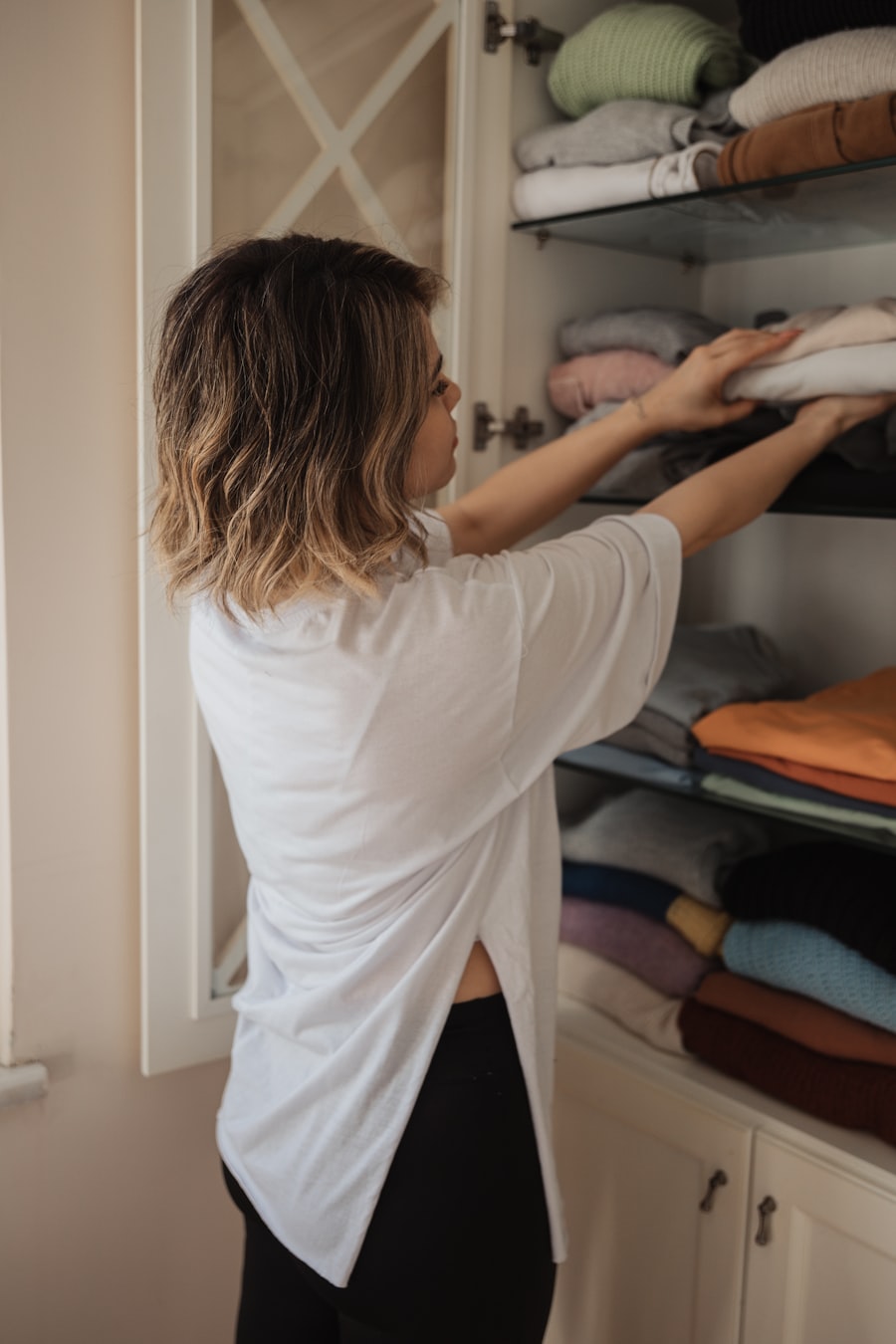
Why We Keep Buying the Same Things
You’re browsing a shop and spot a gorgeous knit sweater. "This is so me!" you think. You buy it. But when you get home and go to put it away, you realize you already have two sweaters in almost the exact same color and fit. It’s only then that you remember: "Oh right, I already had this."
This isn't a lack of willpower; it’s actually about how our brains are wired.
When we shop, our brains release dopamine. The thrill of discovering something "new" can cloud our rational judgment. This is especially true during sale seasons, where the "anchoring effect"—seeing a price drop from $80 to $20—distracts us from the most important question: "Do I actually need this?"
There’s also a more practical issue. Once your wardrobe exceeds about 80 pieces, it becomes almost impossible to mentally track everything you own. The moment you start relying on memory alone, duplicate purchases become inevitable.
So, what should you use instead of your memory?
The Power of 60 Seconds
The answer is simple: before you hit "add to cart," spend just 60 seconds searching your closet.
If you have your clothes registered in a digital closet, this is incredibly easy. A quick search for "beige knit" will instantly show you any similar Items you already own. This 1-minute delay alone is enough to make most impulse buys naturally disappear.
Why does it work? Impulse buying thrives on a sense of urgency—the feeling that you need it right now. That 60-second gap cools down that urgency. And the moment you see that you already own a similar Item, your perception shifts from "I'm getting something new" to "I'm just cluttering my space."
Give it 60 seconds. This one habit will protect both your closet and your wallet. But what if you don't have a similar Item? Don't buy it just yet. There’s one more test.
The "3 Alternatives" Test
When you feel the urge to buy something new, ask yourself: "Can I create 3 similar Outfits using only what I already own?"
For example, let’s say you think you need a new blouse for work. Look through your closet—maybe a silk shirt layered under a cardigan gives off a similar vibe, or a lightweight knit paired with a scarf creates the same mood, or a crisp white tee under a blazer completes that polished office look.
If you can come up with three alternatives, that blouse is a "want," not a "need." There’s nothing wrong with buying things you want, but knowing the difference between a want and a necessity changes your entire approach to shopping.
More often than not, the answer is already in your closet. The problem is simply that we haven’t tried those combinations yet.
How to Spot a Duplicate
Category, color, fit, and purpose—if two or more of these four criteria overlap, it’s a duplicate.
For instance, if you already own navy slim-fit chinos and you’re looking at navy regular-fit chinos, that’s an overlap in Category (chinos), Color (navy), and Purpose (casual workwear). The fact that the fit is slightly different isn't a big enough distinction to justify the purchase.
On the other hand, if you have navy slim-fit chinos and you’re looking at khaki wide-leg chinos, only the Category (chinos) overlaps. The different color and fit open up entirely new Outfit possibilities. This would be a much more rational purchase.
With these criteria in mind, you can stop being swayed by how "pretty" something looks in a store and start asking, "Does this unlock new combinations in my closet?" To make it even clearer, let's look at the numbers.
1-In-1-Out and Closet Shopping Days
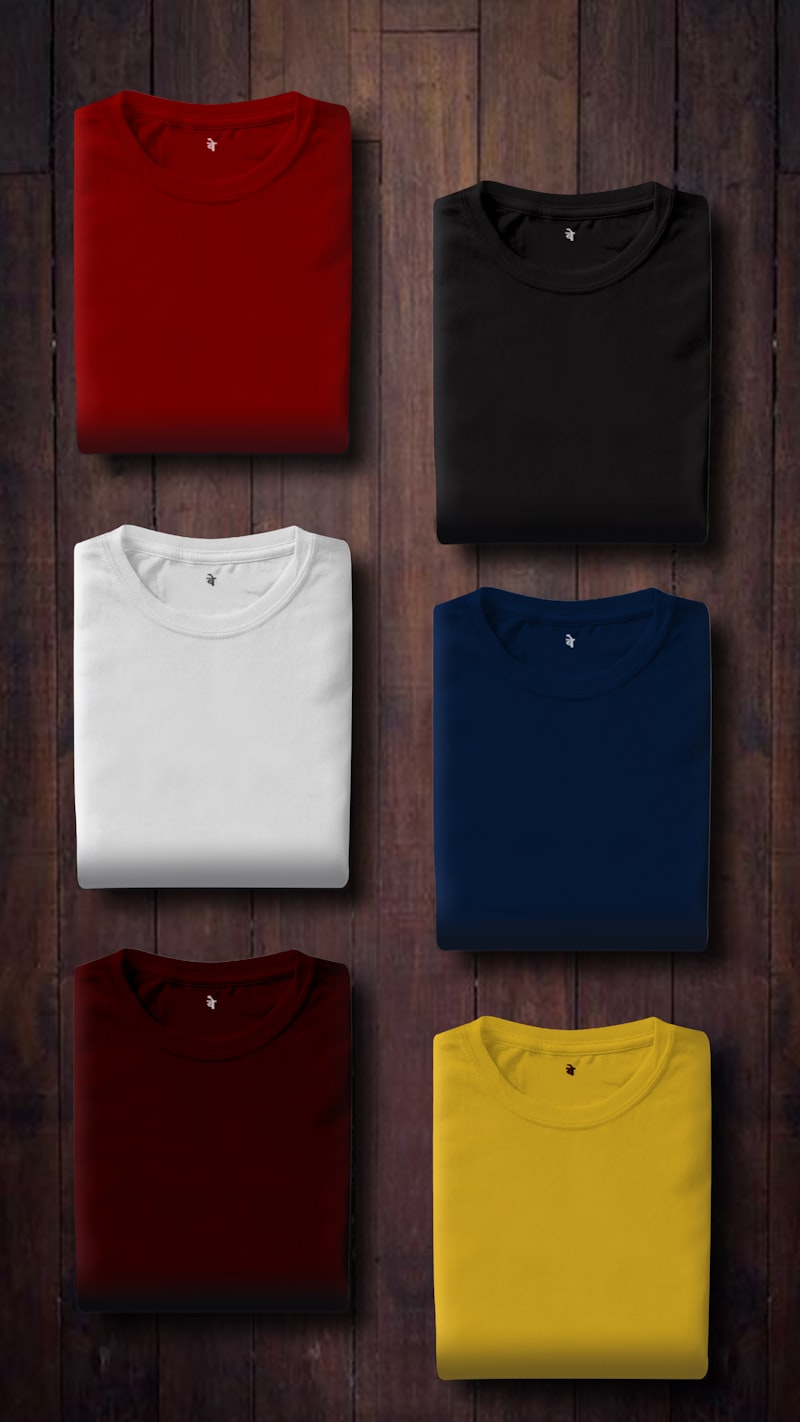
Once you’ve mastered the mindset, try setting up a system. The 1-In-1-Out rule is simple: for every 1 new piece that enters your closet, 1 existing piece must leave. Following this rule ensures your wardrobe never overflows. You can even start with a 2-In-1-Out rule if you're just beginning. The goal is to build awareness of your total closet volume.
Finally, try a Closet Shopping Day at the start of every new season. Instead of rushing to the mall, take a tour of your own wardrobe. When you pull out Items you wore last spring, it’s amazing how often they feel like new again. Try new pairings, or experiment with combinations that didn't feel right last year—they might be perfect for your style now.
This is the true "joy of shopping." You get the thrill of discovery without spending a single cent.
❓ FAQ
Q: Does the 60-second closet search really work?
A: Yes! A mere one-minute delay is enough to stop most impulse buys. Simply seeing that you already own something similar is often enough to break the spell.
Q: What if I find the 1-In-1-Out rule too difficult?
A: Start with a 2-In-1-Out rule. The most important thing is being conscious of the total volume of your closet. Once you're comfortable, you can move to a 1:1 ratio.
Q: Can I check for duplicate items on Acloset?
A: Absolutely. By using the Category and color filters, you can see all your similar Items at a glance, helping you avoid duplicate purchases before they happen.
References & Sources:
- Ellen MacArthur Foundation, "A New Textiles Economy"
- ThredUp, "Resale Report," 2024
- Journal of Consumer Psychology, 2022
Published by the Acloset Magazine Team.
Start Organizing Your Closet
Dress better, buy less — with Acloset.