Building a Capsule Closet with Second-hand Finds: A Fail-Safe First Step
Building a Capsule Closet with Second-hand Finds: A Fail-Safe First Step
"I want to try a capsule closet, but what if I buy expensive basics and don’t wear them?" We hear this all the time. The biggest barrier to starting a capsule closet isn’t a lack of style—it’s the fear of failure. But what if the cost of that failure was cut by two-thirds?
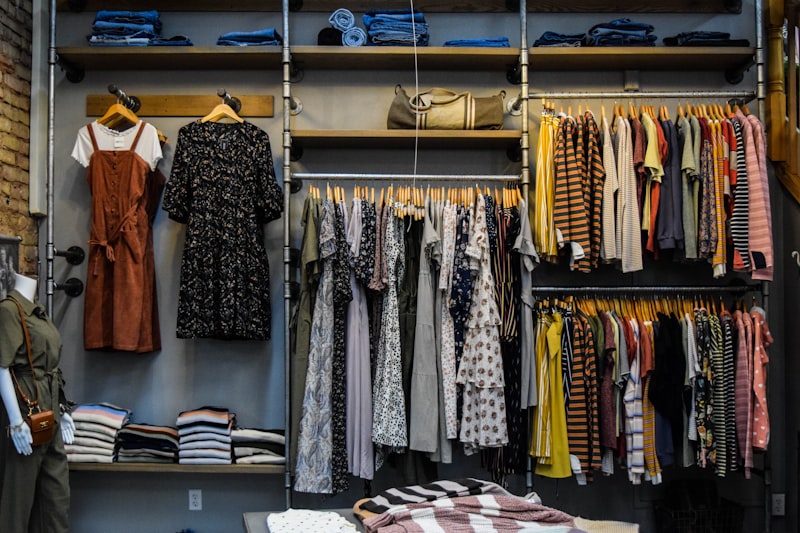
The Same Blazer, 1/3 of the Price
The first thing people do when starting a capsule closet is search for a "basics list." Blazers, essential tees, branded denim, high-quality knitwear. But if you buy everything on that list brand new, you'll easily spend hundreds of dollars. If you realize later, "This doesn't actually suit me," that money is essentially gone.
However, the story changes when you shop for these items second-hand.
A blazer that costs $140 new can be found for $45 on the resale market. A $65 pair of branded denim goes for $22, and a $25 premium basic tee can be yours for just $8. According to ThredUp's reports, premium branded clothing typically trades at about 35% of its original retail price in the resale market.
Calculated for a 10-item starter set, you’d spend $450–$560 for new items, but only $140–$200 for pre-loved ones. That $280 you save allows you to experiment for another entire season. Plus, items bought at resale prices tend to retain 60–80% of their value when resold again. If that $45 blazer doesn’t fit your style, you can likely sell it back for $28–$35.
Buying new means failure costs you tens of thousands of won, but buying second-hand turns failure into a low-cost experiment. This shift in perspective is what finally makes a capsule closet accessible.
Five Categories Where Pre-loved is Actually Better
Not every item is a great second-hand buy, but these five categories are often better when purchased pre-loved than new.
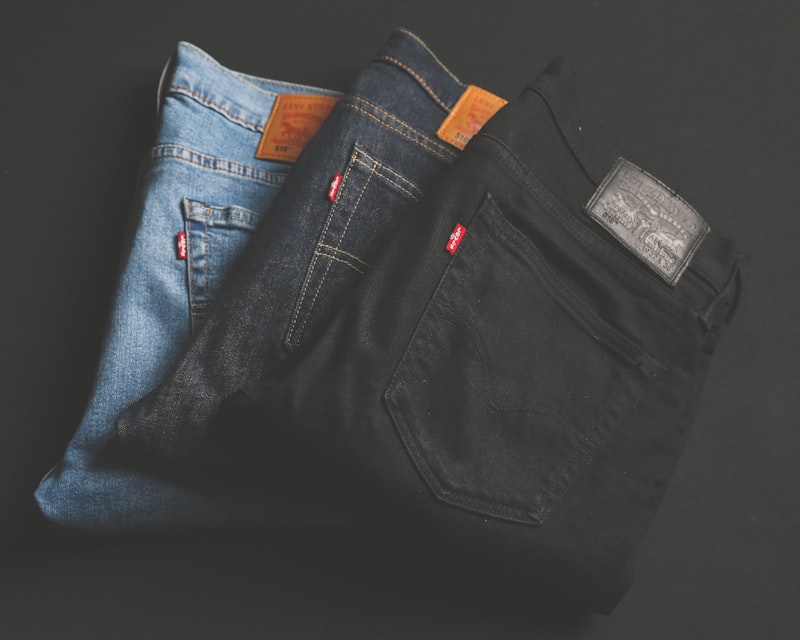
Basic t-shirts actually get softer after a few washes. For those who dislike the stiff texture of a brand-new tee, a second-hand one is already in its optimal state. Vintage denim is the gold standard for materials that improve with age, gaining unique washes and patinas over time—some brands even charge a premium to mimic this look artificially.
Minimalist shirts are structured and hold their shape well over time. Materials like cashmere or merino wool knitwear can last over a decade if well-maintained; while they are pricey brand new, they become incredibly accessible at second-hand prices. Trench coats and blazers offer the biggest savings and since their designs evolve slowly, an Item from a few years ago won't look dated at all.
Starting with just these five categories builds the backbone of your capsule closet. But the real power of a capsule closet doesn't end with the purchase.
Buy, Wear, Sell: The Smart Closet Cycle
If you think of a capsule closet as "buying good basics once and wearing them forever," you're only seeing half the picture. The true core is circulation.
Try buying 10 items second-hand and wearing them for a season. Register them in the Acloset app and track how often you wear them. At the end of the season, the data will speak for itself: "I wore this blazer 20 times, but I only wore this sweater twice." You can then sell the sweater and replace it with an Item that fits your lifestyle better.
By repeating this every cycle, your closet’s "suitability score" goes up. If 3 out of 10 items were failures in your first season, you might have only 1 in your second, and 0 by your third. Your closet slowly becomes a true reflection of "you."
This cycle is particularly powerful when paired with second-hand shopping. Because the cost of experimentation is low, you can afford to be bold. If it doesn't work, you sell it and recoup your costs. While doing this with new clothes would cost you a fortune in depreciation, doing it second-hand allows you to optimize your closet for the price of a few small "lessons" each season.
However, there is one thing to keep in mind when buying pre-loved.
Pre-loved Shopping: Essential Checkpoints
When buying new in-store, you only need to look at the size tag. With second-hand, you need to be a bit more meticulous.
Check if the overall shape is maintained—ensure there is no stretching or shrinkage. Fabric condition is also key. Excessive pilling, thinning fabric, or a loss of original sheen are signs that the Item is nearing the end of its life. Check for consistent color and ensure seams, buttons, and zippers are all functional.
Most importantly, verify the actual measurements. The fit of the same size from the same brand can vary depending on the year it was produced. Don’t trust the tag size alone. Measure your own shoulder width, chest, and length, or ask the seller for these specific details.
When buying online, always check the return and exchange policy. Once you’ve checked these boxes, the risks of buying second-hand virtually disappear.
For women, a 10-item starter pack costs about $170, and for men, about $155 is plenty. Start small, gather data, and replace 1–2 items each cycle to optimize. Starting at a price point where you aren't afraid to fail—that is the most realistic first step toward a capsule closet.
❓ FAQ
Q: Is second-hand clothing hygienic?
A: Most resale platforms inspect and clean items before selling. A quick trip to the dry cleaners or a wash at home after purchasing will give you total peace of mind.
Q: What is a reasonable budget for a second-hand capsule closet?
A: $140–$200 is sufficient for a 10-item set. This saves you about 65–70% compared to buying new.
Q: Can I manage my second-hand purchases in the Acloset app?
A: Yes! By recording the purchase price and wear frequency in your digital Closet, you can track your Cost Per Wear (CPW) and determine a fair price when it's time to resell.
References & Sources:
- ThredUp, "Resale Report," 2024
- Ellen MacArthur Foundation, "A New Textiles Economy"
- WRAP UK, "Valuing Our Clothes," 2023
Published by the Acloset Magazine Team.
Start Organizing Your Closet
Dress better, buy less — with Acloset.