A Greener Planet, Starting in Your Own Closet
A Greener Planet, Starting in Your Own Closet
Can you believe that every single second, a truckload of clothes is incinerated or dumped in a landfill? The scale is so massive it’s hard to wrap our heads around. So today, let’s bring this global issue home and look at it through the lens of your own closet.
The Uncomfortable Numbers Behind Your Closet Door
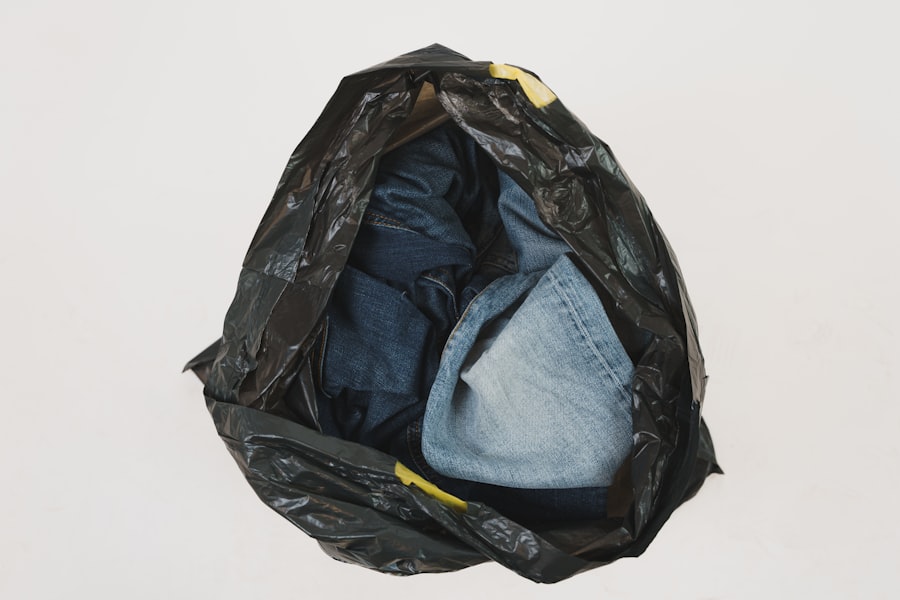
Every year, the world generates 92 million tons of textile waste. Of this, only 12% is recycled, and only 1% is actually reborn as new clothing. The rest ends up as industrial rags, insulation, or is simply buried in the ground.
Let’s look a little closer. Did you know the average number of times we wear a piece of clothing is only about 7 to 10? Furthermore, roughly 20% of all clothes purchased are discarded within a year. This means one out of every five items hanging in your closet is likely destined for the bin within 12 months.
These numbers become even more shocking when you realize the sheer amount of resources hidden behind a single garment.
What’s Hidden in a Single T-shirt
Making just one cotton T-shirt requires about 2,700 liters of water. To put that in perspective, that’s enough to fill a bathtub 13 times. It also generates about 7kg of CO2. Jeans are even heavier on the environment, requiring roughly 7,500 liters of water and producing 33kg of CO2.
And it doesn’t stop at production. Every time you wash synthetic clothing, about 700,000 microplastic fibers are released. These microfibers slip through wastewater treatment plants and flow directly into our oceans.
When you realize how much environmental cost is packed into one garment, the idea of "wearing it 7 times and tossing it" starts to look incredibly inefficient. But in the face of such a massive problem, what can one person really do?
4 Steps You Can Take in Your Closet
It doesn’t have to be a grand gesture. Just do what you can by following these four simple steps.
First, know what you have. Surprisingly, most people don’t actually know everything that’s in their closet. Register everything in your Acloset digital closet and check your Category and color distribution. The moment you see the data—like realizing, "Wait, I have 15 black tops?"—your shopping habits will naturally start to shift.
Second, wear it for 9 more months. Extending the life of a garment by just nine months reduces its environmental footprint by 20–30%. All you need to do is wash your clothes less frequently, repair them as soon as a thread pulls, and experiment with new Outfit combinations.
Third, keep the cycle going. If an item is in good condition and has brand value, go for resale. For everyday items, donate them. If an item is no longer wearable, send it to a textile recycling bin. Many brands like H&M and Zara also run in-store take-back programs.
Fourth, buy less. Check your digital closet before you buy anything new, and try to follow the "1-in-1-out" rule—for every new item you bring in, one must go out. This is the hardest step, but it follows naturally once you’ve mastered the first three. It’s hard to buy unnecessary clothes when you know exactly what you already own.
These four steps might seem like small individual actions, but they align perfectly with the core principles of a circular economy.
Big Principles, Small Actions
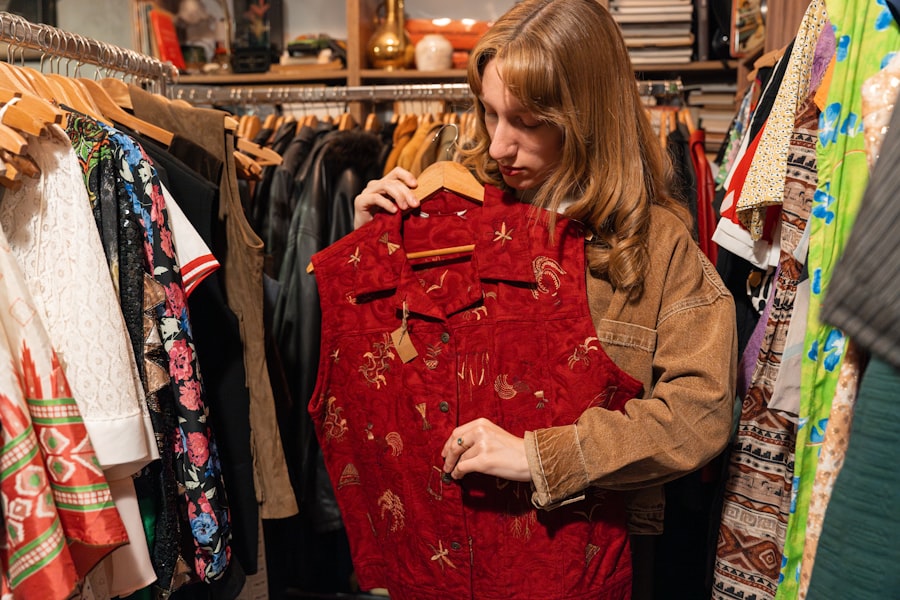
The Ellen MacArthur Foundation proposes a concept called the "New Textiles Economy." While it sounds like a massive systemic shift, it’s actually quite simple when translated to an individual level:
Eliminate waste — Check the material composition when buying and choose items that are durable and easy to care for. Keep in use — Wear your clothes longer, repair them, and sell or donate them. Regenerate nature — Prioritize natural fibers and use microplastic filters when washing synthetics.
You don’t need to turn this into a giant project. This week, just try this: Pick out 3 items you haven't worn in a year. It’ll only take 10 minutes. Decide whether to resale, donate, or recycle those 3 items. Then, add 10 items to your Acloset app that you haven't registered yet.
Sustainable fashion isn’t about perfection; it’s about direction. Opening your closet door is where the story of our planet begins.
❓ FAQ
Q: Does wearing a garment for 9 months longer really help the environment?
A: Yes! According to research by WRAP UK, it reduces the carbon, water, and waste footprints by 20–30% each. Small individual actions add up to a significant collective impact.
Q: How should I dispose of clothes that are in poor condition?
A: Drop them off in a textile recycling bin. Many global brands like H&M and Zara offer in-store collection programs for recycling. You can also find nearby collection points through the Acloset app.
Q: Does using a digital closet actually reduce shopping?
A: Yes. Simply having an objective view of your closet status reduces impulsive purchases. When you can see the data and realize "I already have something similar," it’s much easier to walk away from that digital shopping cart.
References & Sources:
- Ellen MacArthur Foundation, "A New Textiles Economy"
- McKinsey & Company, "The State of Fashion," 2024
- World Bank, "How Much Do Our Wardrobes Cost to the Environment?"
- WRAP UK, "Valuing Our Clothes," 2023
Published by the Acloset Magazine Team.
Start Organizing Your Closet
Dress better, buy less — with Acloset.