Why New Clothes Matter for Diwali — A Guest's Dress Code Guide
Why New Clothes Matter for Diwali — A Guest's Dress Code Guide
When you get an invitation to a Diwali celebration, your first thought is often, "Do I need to buy new clothes, and what should I wear?" While wearing new outfits is a Diwali tradition, it doesn't mean guests must wear traditional attire. Start by checking in with your host and the venue's guidelines, then build an outfit using neat, warm-toned pieces you already own.
First Things to Check When You Get an Invite
Before wondering, "Do I need traditional clothing?" it's best to look at the Occasion itself. The required formality and prep vary depending on whether it's an intimate house gathering, a temple visit, or a corporate event.
While there is a cultural tradition of wearing new clothes, guests are rarely obligated to follow a strict dress code. Checking in with your host or the venue guidelines first is key, and starting with polished, warm-toned pieces already in your Closet is often more than enough.
Diwali is typically celebrated over five days. Each day carries its own unique meaning—and the very first day is directly tied to shopping for clothes.
Dhanteras — When Shopping Becomes a Ritual
Diwali spans five days across the Hindu months of Ashvina and Kartika. Each day holds distinct significance, starting with Dhanteras.
According to Britannica, this day is dedicated to cleaning the home and purchasing small items made of gold. Devout Hindus traditionally buy jewelry made of gold, silver, or other precious metals to welcome prosperity and blessings from Kubera, the god of wealth, and Lakshmi, the goddess of fortune.
Throughout the festival, people exchange gifts, wear new clothes, feast, share meals with those in need, and light fireworks.
This makes the role of clothing crystal clear: a new outfit isn't just something you prepare for the festival—it is an integral part of the celebration itself. Cleaning the house, lighting lamps (diyas), and dressing in new clothes form one complete ritual.
And the sheer scale of this tradition is evident in the numbers.
The Volume of Clothes Sold in a Single Season
According to the 2025 Diwali season report released by the Confederation of All India Traders (CAIT), retail trade in India reached 6.05 lakh crore rupees. Within that, the goods sector accounted for 5.40 lakh crore rupees, with ready-made garments and textiles reaching 59,400 crore rupees—making up roughly 11% of total merchandise and ranking as one of the top contributing sectors.
That translates to billions of dollars spent solely on apparel and fabrics in a single holiday season.
It's easy to look at those figures and label it "overconsumption." But there's another way to see it: this spending isn't fueled by fleeting fashion trends, but by demand rooted in centuries-old rituals. Trends come and go, but rituals endure.
Once you understand the reasoning behind these rituals, knowing what to wear becomes effortless.
Colors Rooted in the Festival's Story
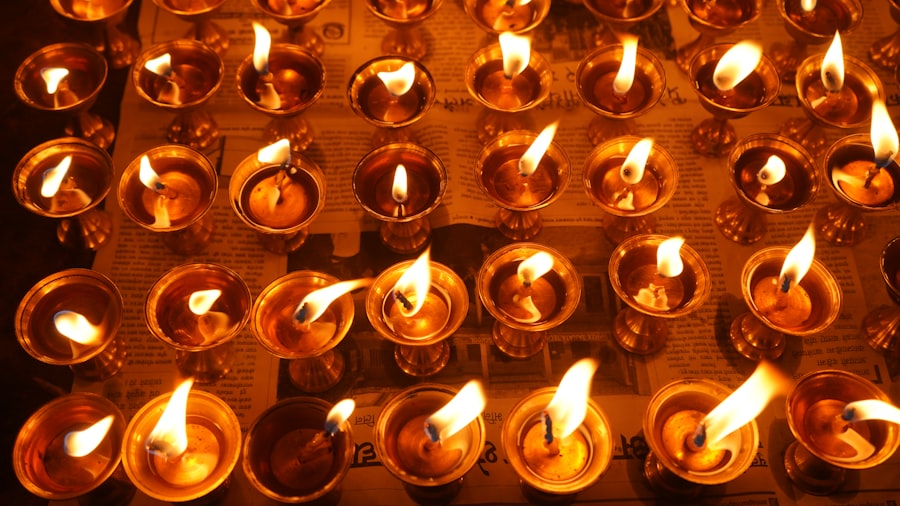
The name Diwali comes from the Sanskrit word dipavali, meaning "row of lights." At its heart, the festival symbolizes the triumph of light over darkness. Lighting clay lamps represents the inner light that protects every home from spiritual darkness.
There is also a tradition of leaving doors and windows open, welcoming Lakshmi inside to bestow her blessings.
Knowing this narrative makes the festive color palette intuitive. Hues that reflect light—vibrant reds, warm yellows, rich oranges, and glowing golds—naturally match the holiday's spirit. They stand on the side of light.
So rather than setting strict rules on what colors you must wear, think of it this way: once you understand what the festival celebrates, the color palette chooses itself. And when in doubt, asking your host is always the best way to go.
What to Actually Do When You're Invited
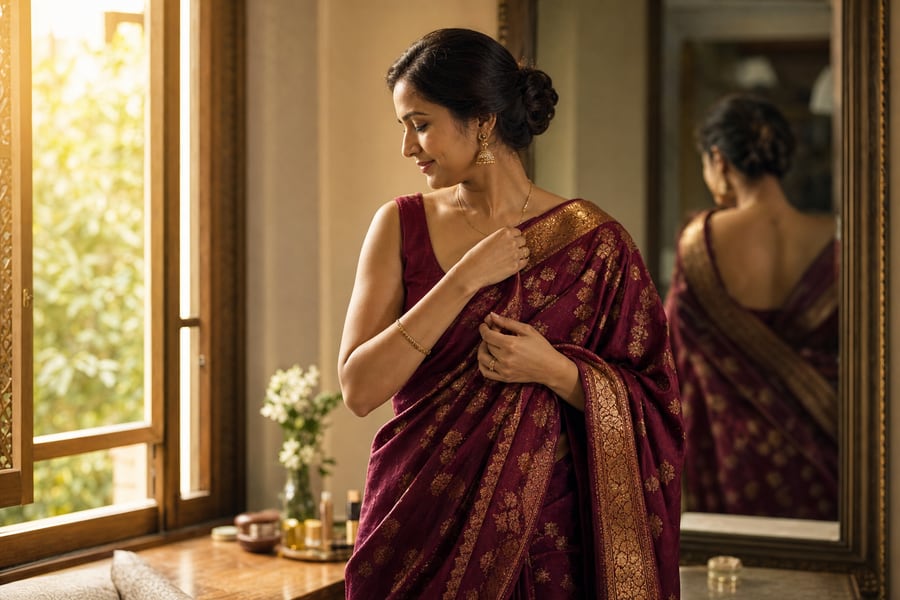
Pick your color first. Choose one bright, warm tone and build the rest of your Outfit around it. Even without traditional attire, getting the color and silhouette right is all you need.
Check the venue beforehand. Dress codes can differ between casual home gatherings and temple visits. If visiting a temple, modest layers that cover your shoulders and knees—along with a scarf—are practical. Always prioritize official guidelines and advice from your host.
Opt for easy-to-remove footwear. Whether you need to take off your shoes depends on the specific home or temple, so it's smart to check ahead.
Start by opening your Closet. Use the color filters in your Acloset digital wardrobe to pull up warm-toned Items—you'll often find the perfect look right in your own collection. Sometimes, simply adding a statement scarf or piece of jewelry completes the vibe.
With five days of celebrations, planning your Outfits in advance lets you spend less time stressing over what to wear and more time enjoying the festival of lights.
❓ FAQ
Q: Do I have to wear traditional clothing to a Diwali party?
A: Not necessarily! The host's dress code and venue guidelines matter much more than wearing traditional attire. A neat, modest outfit in bright, warm tones—plus an extra layer if needed—is usually all it takes.
Q: Is Diwali celebrated exclusively in India?
A: No. How Diwali is celebrated varies across different countries, regions, and communities. If you've been invited, check the details provided for that specific event.
Q: How can I use Acloset to plan my festive outfits?
A: Filter your digital Closet by warm-toned color tags to style looks from clothes you already own. Pre-planning your Outfits for the five days will save you from any morning wardrobe dilemmas.
References & Sources:
- Britannica, "Diwali" and "How Is Diwali Celebrated?"
- Confederation of All India Traders (CAIT), "Research Report on Diwali Festival Sales 2025"
Published by the Acloset Magazine Team.
Start Organizing Your Closet
Dress better, buy less — with Acloset.