A €300 Fine for a 4-Euro Gelato? Your Guide to Italy's Beach Town Dress Codes
A €300 Fine for a 4-Euro Gelato? Your Guide to Italy's Beach Town Dress Codes
You just finished a swim on the Amalfi Coast and popped into a local shop for gelato, bikini-clad and towel-wrapped. The shopkeeper smiled as he took your order, but the moment you stepped back onto the street, the police approached. The fine? €300. That’s a steep price for a €4 gelato.
The Story Behind the €300 Gelato
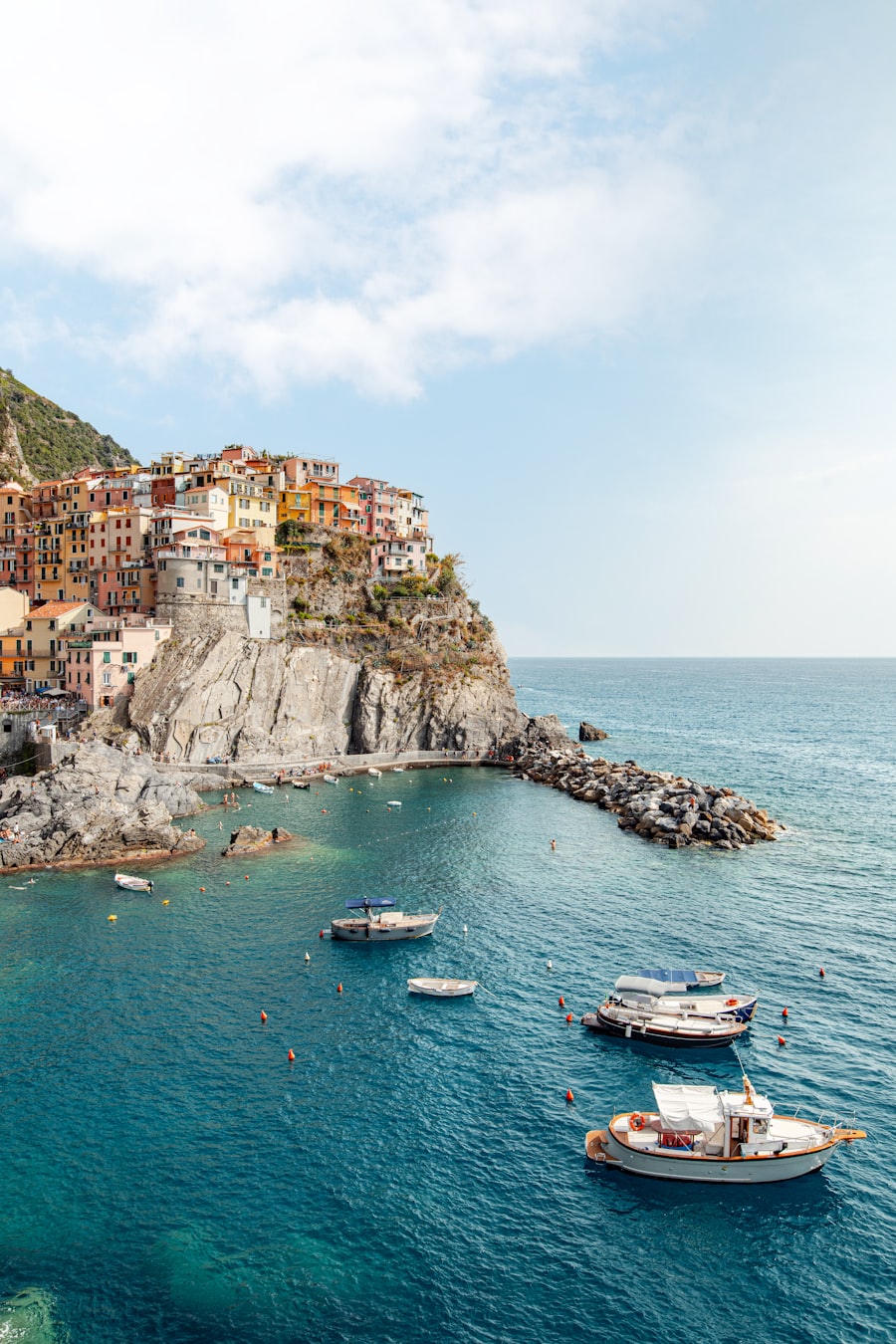
This isn't just a travel horror story; it’s a reality that unfolded repeatedly in the summer of 2024. Portofino, Gallipoli, Sorrento, and the Cinque Terre—Italy’s most iconic coastal towns—have begun strictly enforcing beachwear bans.
To understand why, look at Portofino. The village has a permanent population of about 400 people, yet it sees over 8,000 visitors a day during peak season. That’s 20 times the local population. When narrow cobblestone alleys are packed with tourists in bikinis and swim trunks, taking selfies in front of churches and sitting on restaurant terraces in wet gear, locals feel less like hosts and more like they're being invaded.
In response, authorities introduced "Public Decorum Ordinances." The core message is simple: The moment you leave the sand, a swimsuit is no longer enough.
Where the Fines Hit—and How Much You’ll Pay
Rules vary slightly by city, but here are the key regulations every traveler should know:
Portofino — Entering the town center in a swimsuit or shirtless can result in a fine of up to €300. Police actively patrol the area during the summer season.
Gallipoli — Beachwear is banned within the Old Town. Fines range from €25 to €500. Many tourists get caught here because the boundary between the beach and the historic center is quite thin.
Sorrento & Amalfi Coast — Being shirtless or walking barefoot is prohibited. This applies even to cafes located directly next to the beach.
Cinque Terre — Walking through certain villages in a bikini is restricted. While it’s fine on the hiking trails, the rules apply the moment you enter the residential village areas.
Crucially, these fines are actually enforced. Don’t assume you’ll get away with it just because you’re a tourist. In places like Portofino and Gallipoli, the police are so proactive they even distribute flyers at tourist information centers to warn visitors ahead of time.
One Cover-up Saves You €300
You don’t have to sacrifice your summer vibe to stay compliant. All you need is a smart Packing strategy. In fact, this is something Italian locals have been doing for decades—effortlessly layering up as they transition from the shore to the street.
A lightweight linen cover-up is your MVP. It can be thrown directly over a swimsuit, it’s breathable, looks great even when wrinkled, and is perfectly acceptable for a sit-down lunch. One high-quality piece is all you need.
Pair this with leather slide sandals. Flip-flops can be noisy and are often deemed too casual for many Italian restaurants. A simple pair of leather sandals works for the beach, the town square, and even dinner.
Finally, carry a foldable tote bag. Keep your towel, sunscreen, and cover-up inside, and simply slip your outfit on before you head inland.
With these three Items, you can move freely between the waves and the city without worrying about a fine. The total cost? A cover-up, sandals, and a tote will likely cost you less than a single €300 fine.
Embracing the True Italian Summer
Interestingly, these regulations shouldn't be seen as annoying restrictions. Instead, they’re an invitation to experience Italy more authentically.
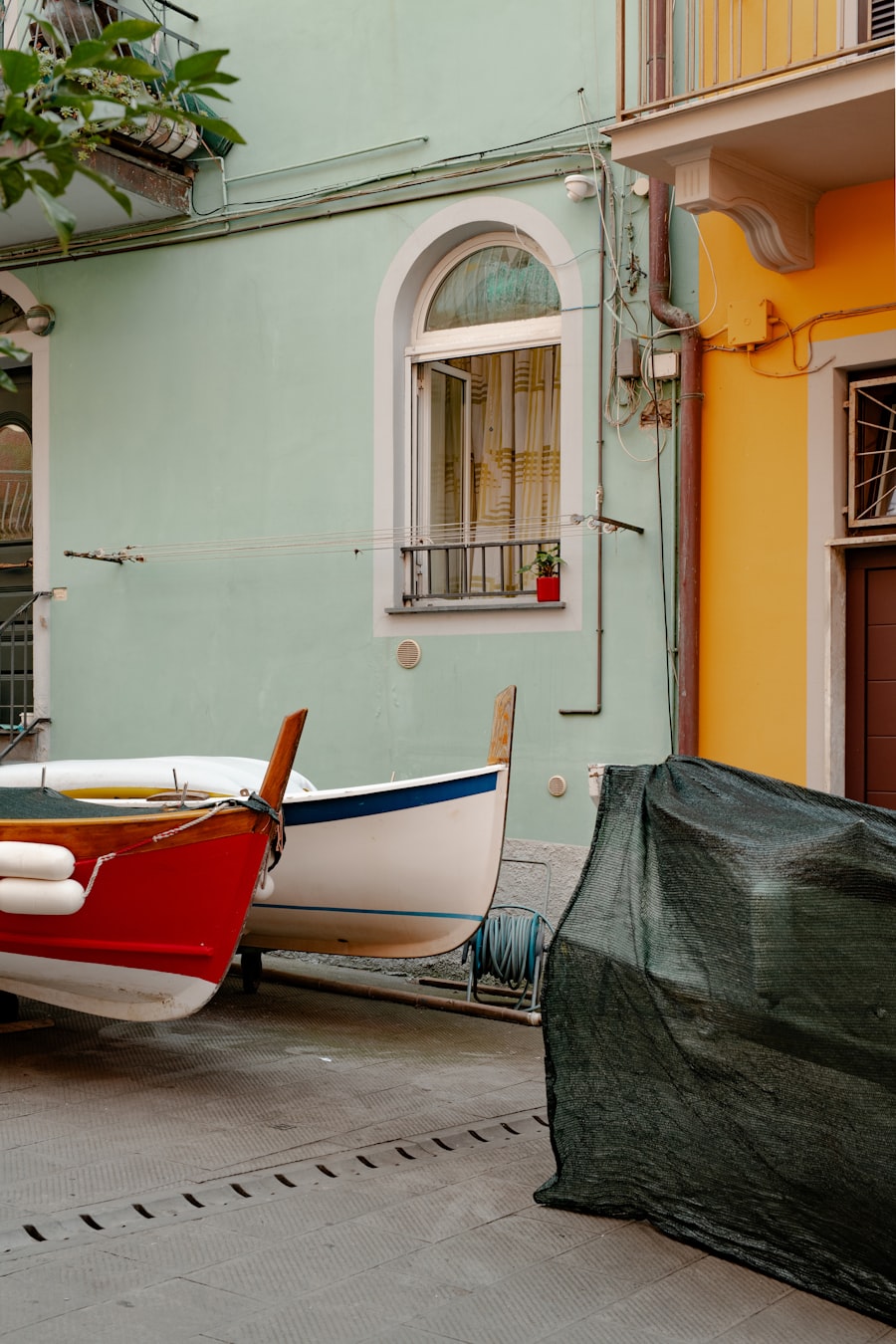
Think about it: walking through the colorful, historic streets of Portofino in a linen dress and leather sandals feels entirely different than trekking through in a bikini and rubber flip-flops. You won't face a dress code rejection at a local trattoria, and you can step into a beautiful church or gallery whenever you like.
Italians dress up in beach towns not because of the law, but because of their lifestyle: "la bella figura"—the art of making a beautiful impression. Embracing this culture is what makes an Italian holiday truly special.
By registering your cover-up and sandals in your Acloset digital Closet with an "Italy Beach" Hashtag, you’ll take the stress out of your next trip. Use a single cover-up to balance beach freedom with city elegance.
❓ FAQ
Q: Do these fines apply on the beach itself?
A: No. Swimsuits are perfectly fine on the sand and the immediate boardwalks connected to the beach. The bans apply to public spaces like town centers, shopping streets, and areas near churches.
Q: Do the rules apply to children?
A: While the regulations technically apply to everyone, enforcement is primarily focused on adults. However, it’s always safer (and more stylish) to have a simple cover-up ready for the little ones too.
Q: How can I use the Acloset app to prepare for a beach trip?
A: Create a "Beach Cover-up" Hashtag in your digital Closet to group your linen dresses, leather sandals, and totes. This makes it easy to pull up a curated Packing list for Italy or any other coastal destination in seconds.
References & Sources:
- ENIT (Italian National Tourist Board), Tourism Statistics, 2025
- Comune di Portofino, Ordinanza Comunale, 2024
- The Guardian, "Italian towns crack down on beachwear," 2024
Published by the Acloset Magazine Team.
Start Organizing Your Closet
Dress better, buy less — with Acloset.