I Pulled My Clothes Out 6 Months Later and Found Holes — The Summer Storage Guide
I Pulled My Clothes Out 6 Months Later and Found Holes — The Summer Storage Guide
I packed away my favorite shirt at the end of last summer. When I took it out this year, there were three tiny holes right beneath the collar. Clothes moth larvae feed on animal fibers like wool, and leftover stains only increase the risk. Cleaning your clothes thoroughly before storing them is the essential first step to preventing damage.
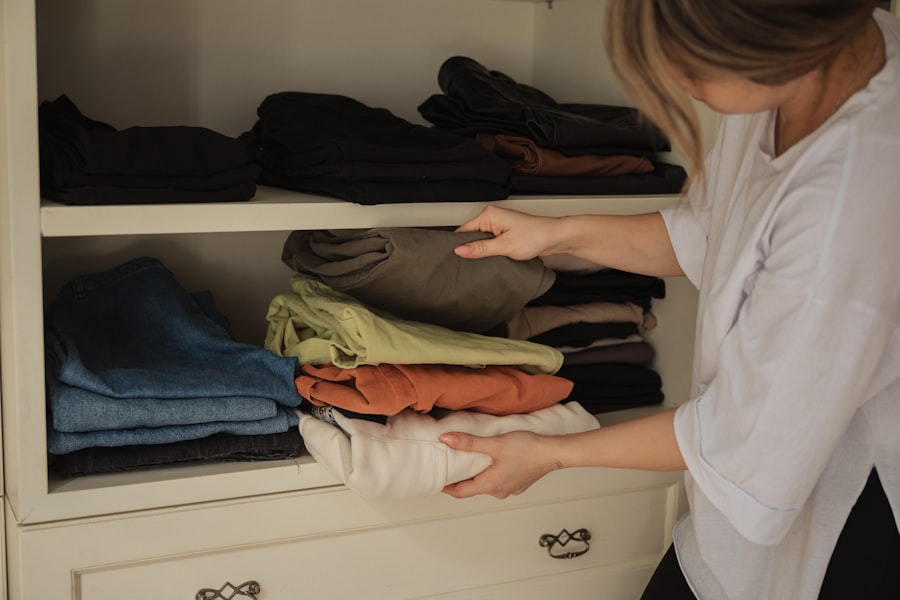
Clothes Moth Larvae Feed on Animal Fibers
When packing away summer clothes, we often make a common assumption: "I only wore this once, so it's fine to store as-is."
That simple thought is behind most wardrobe tragedies.
Clothes moth larvae primarily feed on keratin-rich animal materials such as wool, fur, feathers, and felt. Silk can also be vulnerable when it is soiled or contains edible finishes. Lingering sweat, natural body oils, and food stains make those garments even easier for pests to seek out—putting wool blends and even heavily soiled cotton or synthetics at risk. Even if a piece looks clean to the naked eye, the inside of the collar and the cuffs of a once-worn top always deserve a closer check before storage.
Storing unwashed clothes makes matters worse. University extension pest management guidelines recommend thoroughly washing or cleaning garments before storing them, and keeping vulnerable animal fibers in clean, airtight containers. It is the most practical way to reduce the risk of hidden eggs or larvae.
Order matters: washing always comes before sealing. But what should you do after everything is clean?
How Museums Preserve Garments
No one keeps garments preserved longer than textile conservators in museums. Looking at the textile and costume preservation guidelines from the Canadian Conservation Institute (CCI), a few core principles easily apply to everyday home storage.
First, humidity fluctuations. Rather than aiming for a single rigid number, the real culprits are high humidity and sharp swings. Keep completely dry garments in a well-ventilated indoor space, avoiding damp areas prone to mold and spots with extreme temperature changes.
Second, lining. Line the inside of storage containers with washed cotton fabric or acid-free (pH-neutral) tissue paper. Acids off-gassing from cardboard boxes can discolor delicate fabrics over time.
Third, creasing. To prevent harsh fold lines, gently pad folds with crumpled acid-free tissue paper or lightweight cotton cloth. Constant tension along a sharp crease eventually weakens and breaks fiber strands.
Fourth, metal. Remove anything prone to rusting, such as pins or staples, ahead of time. They put mechanical stress on the fabric and almost inevitably corrode.
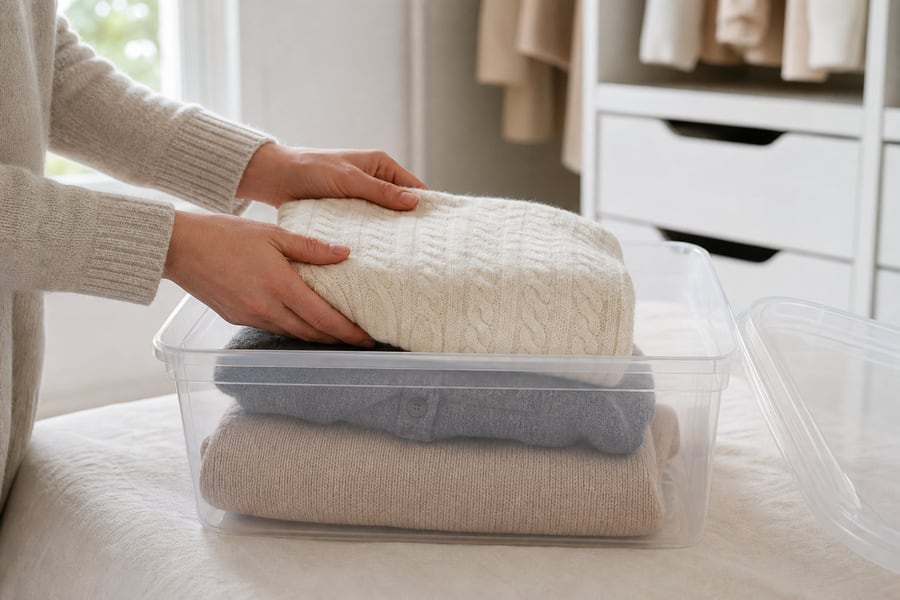
Following these steps will prevent most fabric damage. Yet, many people still add one extra thing into the mix.
Mothballs Only Work in Airtight Containers
Tossing a single mothball into the corner of a drawer is a familiar scene. In reality, it does almost nothing.
According to the Oregon State University Extension Service, mothballs containing naphthalene or paradichlorobenzene only have an insecticidal effect once the vapor builds up to a specific concentration. That level of concentration can only be achieved inside a truly airtight container. In open-air spaces like standard drawers or closets, mothballs leave behind a lingering chemical smell without delivering actual pest protection.
If they don't work, is leaving them in harmless? Not quite. Naphthalene exposure has been linked to headaches, nausea, dizziness, and respiratory irritation. Moreover, if mothballs come into direct contact with plastic buttons, hangers, or garment bags, the chemicals can soften the plastic and fuse it directly onto your fabrics.
Ultimately, there are only two sensible choices: check product instructions and local regulations to use them strictly in airtight containers, or skip them altogether. Instead of relying on fragranced deterrents, prioritize washing, cleaning, and sealed storage. The most reliable defense always goes back to the basics: packing away everything clean.
Done in Just 90 Minutes This Weekend
Here is how to break down the process step by step:
First 30 Minutes — Pull out all your summer clothes and sort them into three piles: items worn frequently this season, pieces worn only once or twice, and things never worn at all. This sorting pays off later.
Next, Laundry — Wash everything, including the pieces you only wore once—no exceptions. Your active task for the day ends here; let every piece dry completely. Storing damp clothing is second only to storing unwashed clothing in causing long-term damage.
20 Minutes — Decide whether to fold or hang based on fabric. Knitwear stretches at the shoulders when hung, so fold it neatly and insert tissue paper along the folds to soften hard creases.
20 Minutes — Place fully dried garments into suitable containers and store them in an area with stable humidity. Vulnerable animal fibers like wool and silk belong in clean, airtight containers. Avoid direct sunlight and balconies with wide temperature swings.
Final 20 Minutes — Add a quick Item note in your digital Closet noting the storage location and target unboxing date. This step saves you from wondering "Where did that sundress go?" next spring. Lastly, go back to the 'never worn' pile and write a one-line reason for each item. That single line will become your most reliable shopping filter next summer.
If you're in the Southern Hemisphere, save this guide for March. The seasons are flipped, but the principles remain identical.
❓ FAQ
Q: Can I use vacuum storage bags?
A: It depends on the fabric. Durable materials like cotton and linen handle compression well, but knitwear that relies on loft and fluffiness for structure may struggle to bounce back after long-term compression. Most summer clothes are fine, but it is best to avoid vacuum-packing fine summer cashmere knits.
Q: Is it okay to store clothes in dry cleaner plastic covers?
A: Always remove the plastic covers after dry cleaning and let the garments air out and dry completely. To protect animal fibers from pests, opt for clean, airtight containers. For general clothing, choose garment bags or storage boxes suited to the fabric and your storage environment.
Q: How can I manage stored clothes in Acloset?
A: Leave notes on the Item card with the storage location and the date you plan to unpack it. It makes it easy to filter out out-of-rotation pieces when planning next season's Outfits, and ensures your wear history stays accurate once you bring them back into your daily wardrobe.
References & Sources:
- Canadian Conservation Institute, "Caring for Textiles and Costumes," Government of Canada
- University of Kentucky Entomology, "Clothes Moths"
- Oregon State University Extension Service, "Mothballs: Proper Use and Alternative Controls for Clothes Moths"
Published by the Acloset Magazine Team.
Start Organizing Your Closet
Dress better, buy less — with Acloset.