Día de Muertos: The Heartfelt Family Story Behind the Skull Makeup
Día de Muertos: The Heartfelt Family Story Behind the Skull Makeup
Vibrant skull makeup, streets lined with marigolds, and lively music—at first glance, Mexico’s Día de Muertos looks like one big Halloween party. But call it "Mexican Halloween" to a local, and you might get a cold shoulder. This festival carries a meaning far deeper than any costume party.
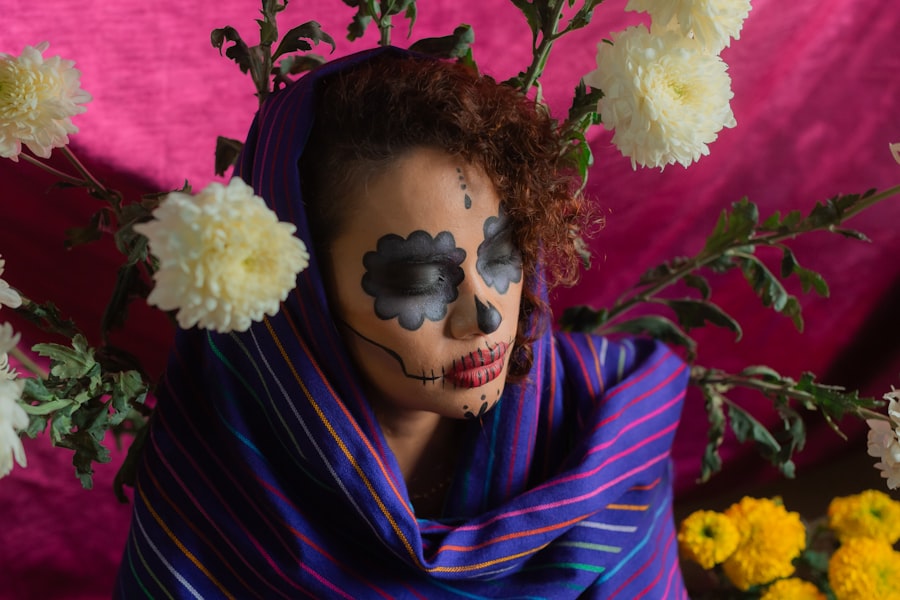
A Celebration of Reunion, Not Regret
Día de Muertos, or Day of the Dead, takes place across Mexico every year from October 31 to November 2. While the name might sound somber, the reality is quite the opposite. It is a joyful time when families believe the souls of their departed loved ones return for a once-a-year visit.
Rooted in ancient Aztec and Mayan views of the afterlife and blended with Catholic All Saints' Day traditions, this festival has a rich history—so rich, in fact, that it was added to UNESCO’s Intangible Cultural Heritage list in 2008. On November 1, families welcome the souls of children, and on November 2, they honor adults.
The most striking element is the Ofrenda, or altar. Families lovingly decorate these with the deceased's favorite foods, photos, marigolds, and sugar skulls. It’s important to remember that these aren't just for show; they are private spaces for family remembrance. Understanding this distinction is the first step to truly appreciating the holiday.
So, what about that iconic, colorful skull makeup filling the streets?
La Catrina: Equality in the Face of Death
'La Catrina'—the elegant skeletal lady—is the most iconic image of the festival, and her origin story adds a layer of depth to the look.
In the 1910s, Mexican printmaker José Guadalupe Posada drew a skeleton wearing a fancy European-style hat. It was a satirical jab at the Mexican upper class of the time who were trying to mimic European elites. His message? "No matter how expensive your hat is, we are all the same in death."
Today, La Catrina makeup has evolved from satire into an artistic tribute. The intricate face paint often incorporates marigold petals, spiderwebs, and crosses, with each person adding their own story and personal touch to honor their ancestors.
Can tourists join in? Generally, yes—Mexico welcomes it! However, your level of participation should depend on the setting.
When to Join the Party, and When to Observe Quietly
It’s easy to get swept up in the festival's energy, but knowing where you are is key to being a respectful guest.
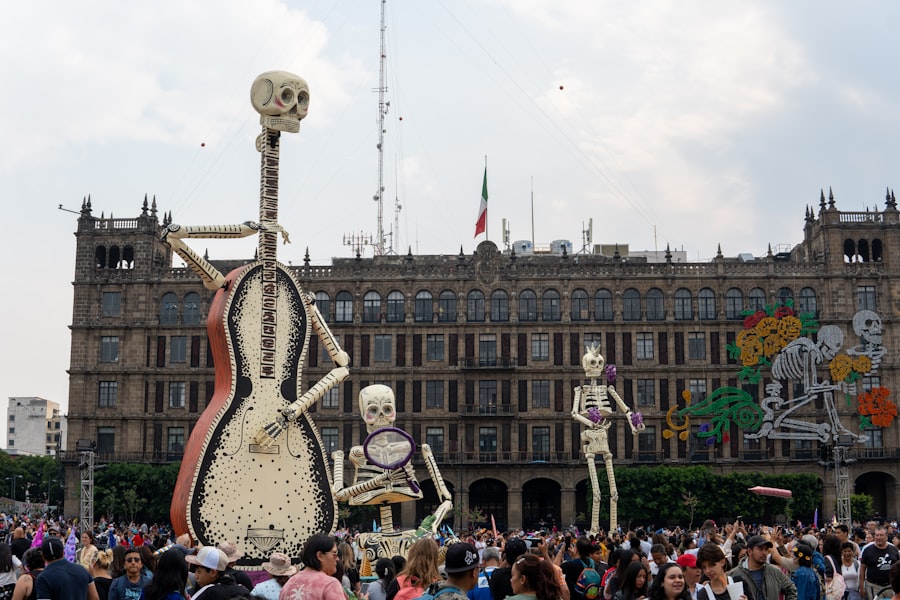
Where to dive in: Large-scale parades like the one in Mexico City’s Zócalo, face-painting booths for tourists, local markets selling marigold crowns and sugar skulls, and public Ofrenda displays. Locals love seeing visitors engage with these public celebrations.
Where to be respectful: Never photograph or touch private Ofrendas in homes without permission. In cemeteries (panteones), families spend the night decorating graves and sharing stories; feel free to observe quietly, but avoid getting too close for photos. Likewise, skip visiting churches for tourism while religious services are in progress.
If you want to take a photo of someone in elaborate makeup, try asking in Spanish: "¿Puedo tomar una foto?" Most people are happy to pose. And when you post to social media, try to avoid the term "Mexican Halloween"—Día de Muertos is a distinct cultural heritage with an entirely different soul.
With these simple etiquette tips in mind, you’re ready to experience it for yourself.
Styling Your Festival Look from Your Own Closet
You don’t need a whole new wardrobe to join the festivities. You can easily put together an appropriate look with pieces you already own.
Start with a base of black or white and add pops of "Marigold" colors—think vibrant oranges and yellows. At local markets, you can pick up a Corona de Flores (flower crown) for about 50–100 pesos ($3–$6), which instantly transforms your outfit.
For face paint, we recommend skipping the DIY and visiting a professional artist in a local plaza. For about 100–300 pesos ($6–$18), you’ll get a high-quality, culturally accurate look in 15–30 minutes. Before you head out, use the Acloset app to pick out your black or white base Items from your digital Closet. Then, simply add your local accessories for a perfect, hassle-free festival look.
Behind the vivid makeup and the festive roar is the simple joy of reuniting with family. If you keep that heart in mind, your journey will be that much more meaningful.
❓ FAQ
Q: Is it cultural appropriation for tourists to wear La Catrina makeup?
A: In Mexico, it is generally seen as a welcome gesture. However, it must be done with an understanding of the festival’s meaning. Your attitude and respect for the context matter more than the makeup itself.
Q: Is the festival kid-friendly?
A: Absolutely. Día de Muertos is a family-centric holiday. There are plenty of face-painting stations for children and workshops where they can try making their own sugar skulls.
Q: How can I use the Acloset app to prepare for the festival?
A: Before you pack, select your basic black and white Items in your digital Closet. You can even make a note of the accessories you plan to buy locally to ensure your final look is cohesive without overpacking.
References & Sources:
- UNESCO, "Indigenous Festivity Dedicated to the Dead," Intangible Cultural Heritage
- Smithsonian Magazine, "The History of Dia de Muertos"
- Mexico Tourism Board, "Day of the Dead Visitor Guide"
Published by the Acloset Magazine Team.
Start Organizing Your Closet
Dress better, buy less — with Acloset.