Hanbok, Hanfu, and Áo Dài — What to Know Before Wearing Traditional Attire for the Holidays
Hanbok, Hanfu, and Áo Dài — What to Know Before Wearing Traditional Attire for the Holidays
At Gwanghwamun Gate in Gyeongbokgung Palace, visitors in hanbok may qualify for free admission, but wearing only part of a hanbok may not meet the criteria. Free admission is subject to official guidance on complete attire, eligibility and conditions of entry.
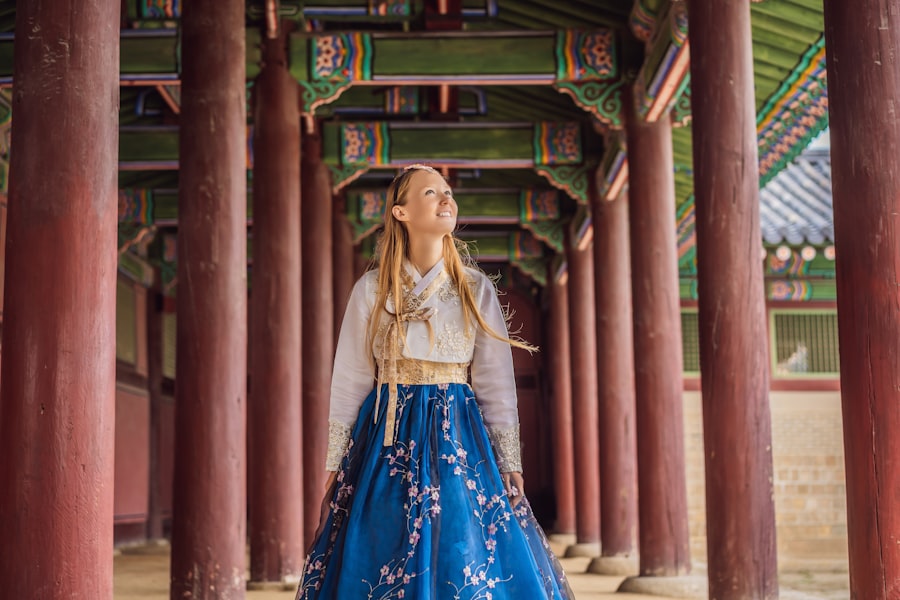
A City Where an Outfit Opens Palace Doors
September 25 marks Chuseok and the Mid-Autumn Festival. Korea, China, and Vietnam celebrate major harvest holidays around the very same time. When this season arrives, the streetscape across East Asian cities transforms—traditional attire, rarely seen on everyday streets, makes a vibrant return.
In Korea, there is a dedicated free admission policy for traditional dress. The Korea Heritage Service grants free palace entry to the Four Grand Palaces, Jongmyo Shrine, and the Royal Tombs of the Joseon Dynasty for visitors dressed in Hanbok. Because participating sites, visiting hours, reservation policies, and ID verification requirements may vary, make sure to check the latest official notices before heading out.
Its impact is undeniable. Rental boutiques line the streets surrounding Seoul’s royal palaces and Hanok villages, and many people passing through Gwanghwamun or strolling the alleys of Bukchon are fully dressed in traditional garments. In a way, you are walking the same paths wearing the exact style of clothing people wore on those very spots 600 years ago.
However, this free admission policy comes with specific conditions.
There Are Official Standards for What Counts as Hanbok
Qualifying for free admission depends on official guidelines rather than simply what you call the garment.
Guidelines from the Korea Heritage Service require traditional Hanbok components—such as pairing a jeogori (jacket) with a chima (skirt) or baji (trousers). When it comes to wearing partial pieces or modern adaptations, always check the latest official standards before your visit.
It might sound strict at first glance, but the principle behind it is simple: traditional attire is defined by its complete structure, not just its aesthetic vibe. Each garment piece is designed to work together, meaning that taking away one part breaks the integrity of the original silhouette.
And this cultural sentiment isn't unique to Korea.
Hanfu and Áo Dài: Finding Their Way Back in Unique Ways
In China, people wear Hanfu (汉服) across holidays, photo shoots, cultural festivals, and even in daily life. Who wears it, when, and how varies widely by region and subculture, so it is best to check local event guidelines rather than generalizing the trend purely through market statistics.
Vietnam's Áo Dài has followed a slightly different path. According to Vietnam Tourism, the Áo Dài is worn during Tết (Lunar New Year), at weddings, and on other special or professional occasions. During Tết, people specifically wear a red Áo Dài to symbolize good fortune and prosperity. In other words, the Áo Dài is far from a museum relic—it remains an active, living garment.
Hanbok, Hanfu, and Áo Dài each carry distinct histories and modern contexts. As travelers, how can we embrace these differences and participate respectfully in a way that fits each event and setting?
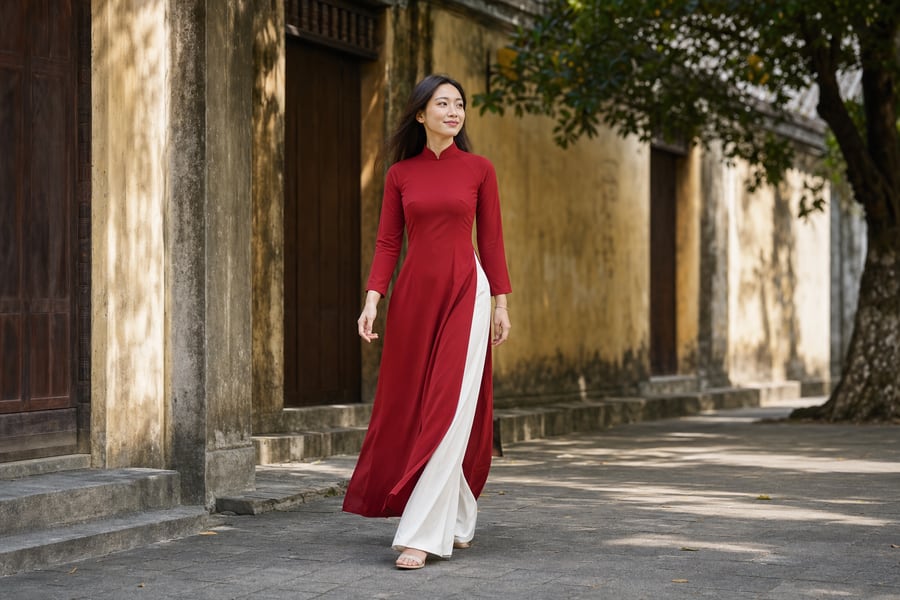
The Line Between Costume and Heritage
The same dynamic applies here as it does with Tracht at Oktoberfest. To locals, these outfits are not fancy-dress costumes. They are meaningful garments worn when families gather, ancestors are honored, and weddings are celebrated.
That is why common missteps tend to look the same everywhere: striking overly exaggerated poses for photos, altering lengths drastically, or pointing cameras directly at sacred rites and active prayer spaces. These actions leave a far stronger impression than simply wearing the outfit itself.
On the flip side, you can enjoy a much smoother experience simply by checking official regulations and event guidelines, while respecting the boundaries of sacred rituals, photography limits, and personal space. Far more important than the clothes on your back is your respect for local rules and the community around you.
Practical Tips for the Holiday Season
If you are planning to rent traditional attire, keep these three essential checks in mind:
Confirm the full set and rental terms. Make sure you know which tops, bottoms, and accessories are included, and double-check both the rental shop's inclusions and the Korea Heritage Service's guidelines to see if the look qualifies for free palace entry.
Check the fabric quality. Overly glossy synthetic fabrics may look flashy on camera, but they can look out of place in person. Even if the rental fee is slightly higher, opting for refined, classic fabrics almost always yields better styling results.
Note the return deadlines. Rental shops typically open in the morning and close in the early evening. Map out your itinerary first, then align your rental duration accordingly.
Don't forget to pack a few essentials from your Closet: comfortable base layers that allow easy movement, shoes built for plenty of walking, and a compact bag. Because shoe removal and photography policies differ by venue, be sure to check them before you go.
Save the rental shop name, price, outfit components, and return time as a note in your Acloset digital Closet. Holidays come around every year, and keeping a record now will cut your prep time in half next season.
❓ FAQ
Q: Can international visitors wear Hanbok to get free admission?
A: Yes! To qualify for free entry, your outfit must meet the official Hanbok component and eligibility criteria outlined by the Korea Heritage Service. Please check the latest venue-specific notices for operating hours, reservations, and ID requirements.
Q: Can these garments only be worn during holiday seasons?
A: Not at all. It depends on the specific occasion, region, and personal styling choice. Check local guidelines for off-holiday wear, rental availability, and photography etiquette.
Q: How can I track my holiday looks in Acloset?
A: Save the rental shop details and garment pieces in your Item notes, then style them together with your shoes and bag as an Outfit. Next holiday season, you can easily pull up the exact look and wear it again.
References & Sources:
- Korea Heritage Service, "Free Admission Guidelines for Hanbok Wearers," Royal Palaces and Tombs Center
- Vietnam Tourism, "All About Ao Dai: Vietnam's National Dress"
- China.org.cn, "Hanfu Revival: Tradition Reimagined for Modern Era," 2025
Published by the Acloset Magazine Team.
Start Organizing Your Closet
Dress better, buy less — with Acloset.