All Because of a Tiny Rose: Your Guide to Tattoos and Etiquette in Japanese Hot Springs
All Because of a Tiny Rose: Your Guide to Tattoos and Etiquette in Japanese Hot Springs
I just arrived at a ryokan in Hakone. I checked in, changed into my yukata, and headed to the open-air bath with high hopes. But just as I was about to open the locker room door, a staff member approached me politely. "I'm sorry, but we cannot allow entry if you have tattoos." It was just a tiny, 3cm rose on my forearm—but that was enough.
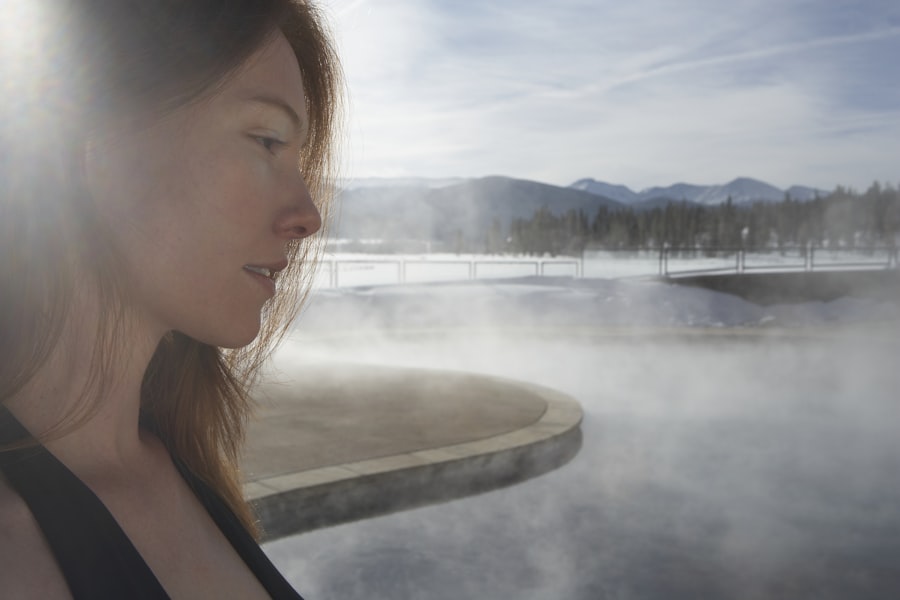
Why the "Tattoo = Yakuza" Stereotype Still Rules
Japan is home to about 27,000 hot spring facilities, and nearly half of them still refuse entry to anyone with a tattoo. Why is this rule so strict?
It dates back to Irezumi—traditional Japanese tattooing—which has been a symbol of the Yakuza (organized crime groups) since the Edo period. We’re talking about those elaborate, full-back pieces featuring dragons or koi fish. To keep other guests from feeling uneasy, onsen owners implemented "no tattoo" policies that have lasted for decades.
The problem is that times have changed. With over 35 million international tourists visiting annually, many of whom have fashion tattoos, the gap between a 3cm rose and a full-body Yakuza piece is huge. However, many regulations have yet to catch up.
That said, the tide is definitely turning. Currently, about 30% of hot springs allow entry if you cover your ink with a sticker, and about 20% welcome tattoos regardless. Regions with high tourist traffic, like Hakone, Beppu, and Nikko, are becoming increasingly open-minded.
So, if you have ink, is a Japanese onsen off-limits? Not at all.
From Tattoo Covers to Private Baths: Your Entry Strategy
You have a few great options.
First, there are tattoo cover stickers. You can find these at Japanese convenience stores or drugstores, often labeled as "Tattoo Hidden Sheets." These are skin-colored, waterproof patches that make tattoos nearly invisible from a distance. They come in various sizes, so check your tattoo's dimensions before your trip so you can pick them up easily on arrival.
Second, consider a private family bath (Kashikiri-buro). These are private tubs you can rent for yourself or your group. Usually booked in 40–60 minute slots, they can range from free (included in your ryokan stay) to around 3,000 yen. Since it’s a private space, you don't have to worry about your tattoos at all. They’re also perfect for couples or families who want to bathe together. You can usually reserve these at the front desk when you check in.
Third, research tattoo-friendly facilities in advance. Websites like tattoo-friendly.jp allow you to search for locations that permit ink by region. A quick check on the facility’s website or a phone call before you go can save you the heartbreak of being turned away at the door.
Once you’ve sorted out the tattoo situation, it’s time for the most important part—onsen etiquette.
Rinsing is Etiquette; Dipping Your Towel is a Faux Pas
Every rule in a Japanese hot spring stems from one core principle: "Consideration for others." Once you understand that, everything else makes sense.
After undressing in the locker room, head to the bath area and start with Kake-yu—splashing warm water over your body. Then, sit at a washing station and scrub thoroughly. This isn’t just a routine; it’s a way of saying, "I am entering this shared space clean."
Once you’re in the tub, never let your small towel touch the water. Most people rest it on their head or leave it on the side of the bath. Swimsuits are also a no-go—partly for hygiene, but also because of the "equality" of everyone entering the water in the same state.
Running, shouting, taking photos, and bathing after drinking alcohol are all strictly forbidden. An onsen is a place for quiet reflection and relaxation. If you follow these rules, locals will welcome you warmly.
And the experience doesn't end when you leave the water—the joy of the yukata is waiting for you.
The Yukata is Official Attire, Not Just Pajamas
When you stay at a ryokan, you’ll be provided with a yukata (a light cotton kimono). Many travelers mistake this for pajamas, but it’s actually the official attire of the inn. You wear it to walk to the bath, to eat dinner in the dining hall, and even for a stroll around the neighborhood.
Just remember one crucial rule: Left flap over right. If you wrap the right side over the left, that’s how bodies are dressed for funerals! Secure the look by tying the sash (obi) around your waist.
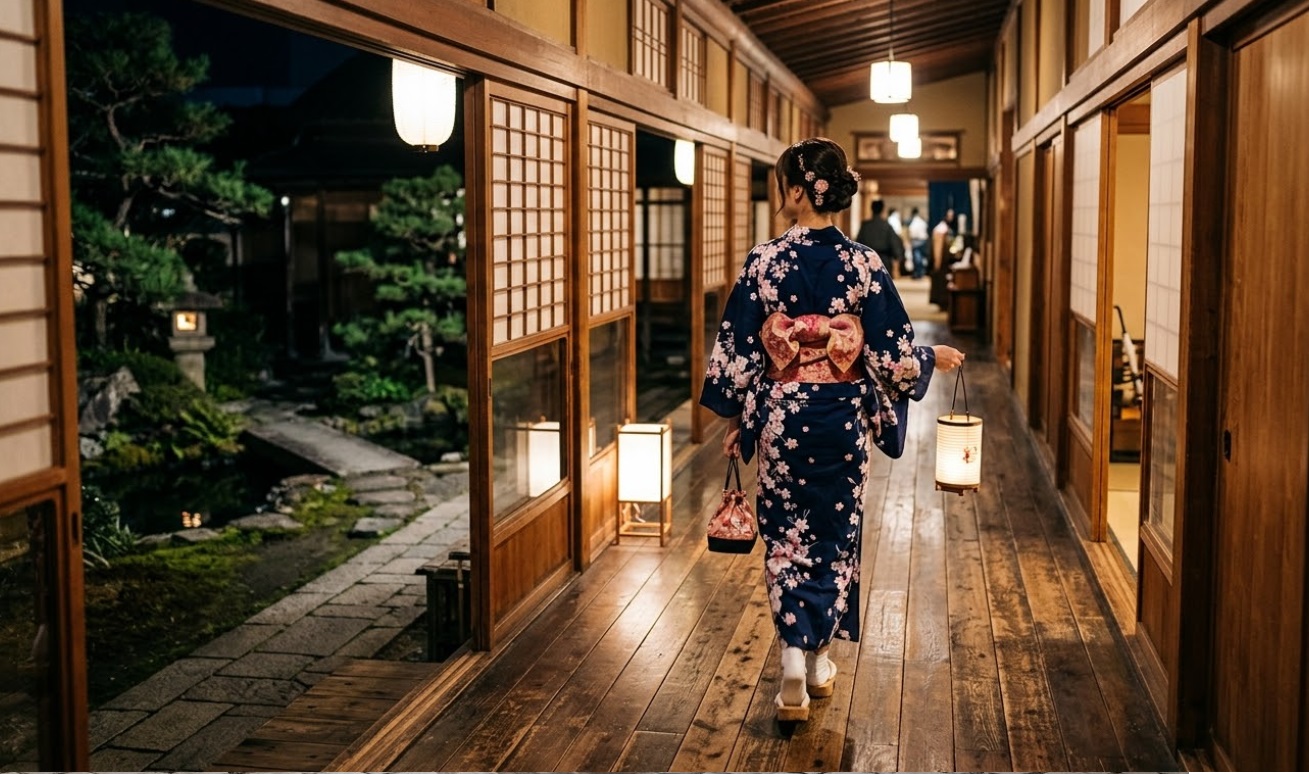
Slipping into a yukata and walking through the narrow streets in traditional wooden clogs (geta) is when you truly feel the magic of a Japanese hot spring trip. It’s an immersion into the culture that you just can't get in a tank top and shorts.
❓ FAQ
Q: Can I be rejected even if my tattoo is tiny?
A: Yes. Standards vary by facility, and even a very small tattoo can result in being asked to leave if discovered. It’s always best to check the facility’s website or call ahead.
Q: Do I really have to go in naked?
A: In traditional onsens, bathing nude is the rule. Swimsuits are banned for hygiene reasons. However, theme-park style facilities like Oedo Onsen Monogatari often have designated areas where swimsuits are required.
Q: How can I use the Acloset app to prepare for my onsen trip?
A: You can create a "Onsen Essentials" tag in your digital Closet. Use it to manage a checklist of items like tattoo cover sheets, travel towels, and undergarments for your yukata to make Packing for every trip a breeze.
References & Sources:
- Ministry of the Environment of Japan, Report on Onsen Usage, 2024
- Japan National Tourism Organization (JNTO), Onsen Etiquette Guide, 2025
- Tattoo Friendly Japan (tattoo-friendly.jp), 2025
Published by the Acloset Magazine Team.
Start Organizing Your Closet
Dress better, buy less — with Acloset.