How One Sarong Transformed My Bali Temple Experience: A Dress Code Guide
How One Sarong Transformed My Bali Temple Experience: A Dress Code Guide
I stood before a small temple on the outskirts of Ubud, wearing shorts and a sleeveless top. An elderly woman at the entrance smiled and handed me a piece of fabric. As I wrapped it around my waist and tied the sash, the atmosphere completely shifted. The noise of the tourist spots faded, replaced by the scent of incense and the sound of bells. That single sarong transformed me from a tourist into a visitor.
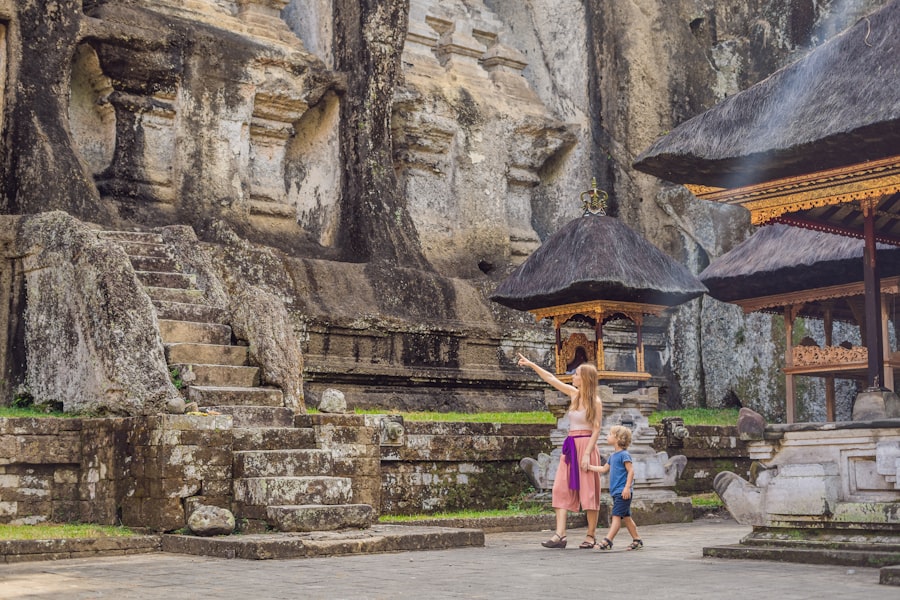
Sarongs and Sashes: More Than Just Pieces of Fabric
Bali is home to approximately 20,000 Hindu temples, with hundreds open to the public. To enter these sacred spaces, you need two essential items: a Sarong and a Sash.
A sarong is a rectangular piece of fabric wrapped from the waist down to the ankles, while a sash is a narrow band tied around the waist. To understand why these are mandatory, you have to look at the Balinese Hindu philosophy of Tri Hita Karana—the harmony between God, humanity, and nature. The sash, in particular, carries spiritual significance, marking the boundary between the upper body (the spirit) and the lower body (the physical). It’s not just a dress code; it’s a ritual for entering a sanctified space.
At most major temples, you can rent a sarong and sash for free or a small fee of about 10,000 to 20,000 IDR ($1–2 USD). However, I recommend picking one up at a local market near your accommodation. For 50,000 to 100,000 IDR, you can find beautiful traditional patterns that you can reuse as a beach cover-up or a light shawl later in your trip.
The moment you wrap the sarong and tie the sash, you’ll feel like you’ve become part of the temple landscape. But beyond what you wear, there are a few other rules you need to know.
Beyond the Dress Code: Temple Etiquette
As of 2024, the Balinese provincial government has strengthened the code of conduct for tourists visiting temples. It’s about more than just looking the part.
Covering your shoulders and knees is the absolute baseline. Even if you’re wearing a sarong, you shouldn’t pair it with a crop top or bikini top. Ensure your upper body is properly covered with a modest shirt or blouse.
Additionally, those who are menstruating or have open wounds are asked not to enter. This isn't about tourist control; it's a religious custom that the Balinese Hindu community has upheld for centuries.
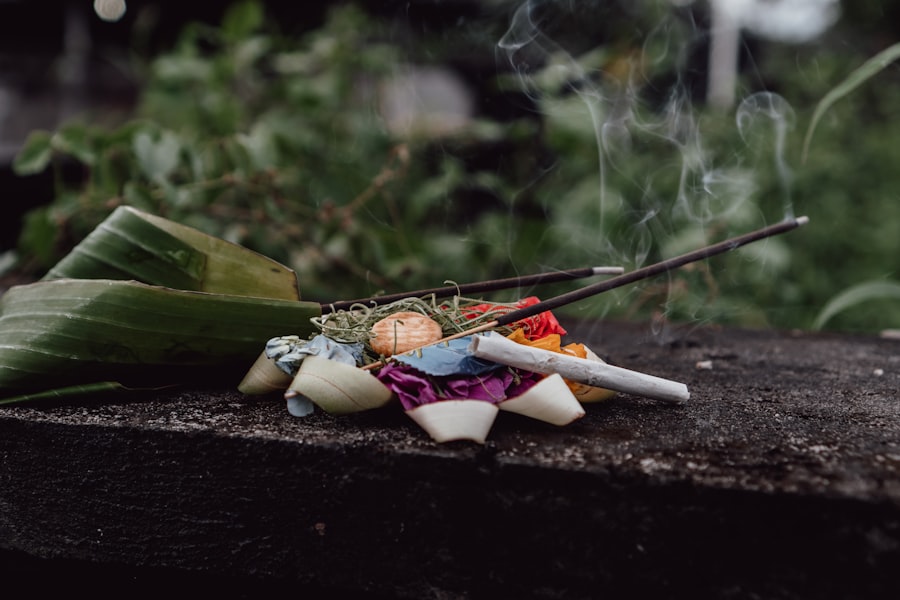
Once inside, be mindful not to climb on altars or step on offerings known as Canang Sari. These small baskets decorated with flowers and incense scattered across the ground aren't decorations—they are daily prayers. It’s also respectful to avoid standing in a position higher than the priest.
While these rules might seem numerous, they all point back to one principle: Remembering that this is a place of worship. This principle is most often forgotten when it comes to taking photos.
Temples Are Not Just Photo Ops
Balinese temples are some of the most Instagrammed locations in the world. Dramatic poses on stone steps or leaning against statues make for great profile pictures, but how does this look to the locals?
Using a flash or shoving a selfie stick in front of someone in prayer is no different than doing so during a church service. Climbing onto altars for a better angle is equally disrespectful.
If you want to take photos, do so quietly and keep your distance from those praying. Avoid leaning on statues or altars, and always check for signs, as some temples prohibit photography in specific zones. Drones are generally banned in most temple areas without special permits.
Interestingly, the photos that follow the rules often turn out better anyway. A shot of someone walking through a haze of incense while wearing a traditional sarong is far more evocative and memorable than a bikini-and-sunglasses pose next to a sacred statue.
Deepening Your Bali Connection with a Sarong
The magic of the sarong doesn't end at the temple gates. It’s a versatile Item that works as a beach cover-up, a wrap skirt over a mini dress for dinner, or a light blanket for those over-air-conditioned cafes. It takes up almost no space in your suitcase but becomes an essential part of your Bali wardrobe.
When you climb those temple steps with a traditionally patterned sarong wrapped around your waist, you’re no longer just looking at a backdrop for a photo—you’re stepping into the culture itself.
❓ FAQ
Q: Do men also need to wear sarongs?
A: Yes. Regardless of gender, sarongs and sashes are mandatory for temple entry. The staff at the entrance can help men with the proper wrapping technique.
Q: Should I buy a sarong before I go?
A: You can buy one online or use a thin cotton scarf you already own. However, buying one at a local market is highly recommended for the better prices and authentic patterns.
Q: What are the benefits of adding a sarong to the Acloset app?
A: By registering your sarong in your digital Closet, you’ll remember to include it in your Packing list for your next Southeast Asia trip. You can also use the app to pre-plan your Outfit combinations for a beach-to-temple-to-dinner itinerary.
References & Sources:
- Bali Provincial Government, "Tourist Behavior Guidelines," 2024
- Indonesia Ministry of Tourism and Creative Economy, 2025
- Lonely Planet, "Bali Temple Etiquette," 2025
Published by the Acloset Magazine Team.
Start Organizing Your Closet
Dress better, buy less — with Acloset.